Remodeling a small kitchen on a budget is the strategic upgrade of layout, storage, lighting, and finishes to boost function and style without overspending. Homeowners in ON can combine DIY-friendly tasks with pro installation from Deeroi Constructions’ kitchen renovations team to stretch every dollar while keeping code compliance and a clean, durable finish front and center.
By Deeroi Constructions • Last updated: 2026-06-22
Your plan at a glance
Start with a tight scope, pick two or three high-impact upgrades, and phase the rest. Focus on storage, lighting, and surfaces you touch daily. Use DIY where safe, then bring in licensed trades for electrical, plumbing, and final fits to keep quality high and waste low.
Here’s how this complete guide helps you plan and execute a right-sized, right-priced makeover that still looks custom and lasts:
- Step-by-step process and a printable mini brief
- Space-savvy layouts, storage multipliers, and lighting layers
- Pro-vs-DIY guidance to protect safety and code compliance
- Materials that punch above their weight for durability and style
- Local tips for ON homeowners and realistic timelines
- See our workmanship in a kitchen upgrade case study and explore broader renovation services when you’re ready to go from plan to build.
Overview
A budget small-kitchen remodel prioritizes functionality per square foot. Keep what works, replace bottlenecks (lighting, storage, surfaces), and phase nice-to-haves. Pair DIY-friendly tasks with licensed trade work to maintain safety, meet code, and deliver finishes that hold up to daily use.
Think of this as a renovation “sprint,” not a marathon. You’ll preserve cabinets if boxes are sound, add storage where it matters, and refresh the room’s light and color so it feels bigger. Then, you’ll schedule any complex trade work with a contractor who knows residential codes and sequencing.
What is a budget small-kitchen remodel?
A budget small-kitchen remodel is a focused upgrade that improves capacity, safety, and appearance without a full gut. You reuse sound elements, add targeted storage, and update lighting and surfaces that impact daily tasks. The result is a cleaner, brighter, easier-to-work-in kitchen.
At Deeroi Constructions, “budget” never means cutting corners where it matters. It means:
- Reuse smart: Keep cabinet boxes if they’re sturdy; replace doors, hinges, and hardware for a fresh face.
- Improve flow: Nudge appliances within safe reach ranges to fix pinch points and optimize the work triangle.
- Light the tasks: Add under-cabinet and ceiling lighting to eliminate shadows on prep areas.
- Protect wet zones: Refresh backsplashes and ensure proper sealing where water hits most.
These moves protect your time and investment. Our residential renovation approach centers on code-conscious execution and clean finishes, even when the scope is intentionally lean.
Why a budget-friendly small-kitchen remodel matters
Small kitchens succeed when every inch works. Targeted upgrades increase usable counter space, improve safety in wet and hot zones, and make storage easier to reach. You’ll cook faster, clean easier, and reduce clutter—all without committing to a full tear-out.
A few high-impact realities to guide your plan:
- Clearances drive comfort: Aim for 36 inches of walkway. In galley layouts, 40–48 inches feels smoother with two people.
- Work triangle basics: Ideal leg lengths commonly fall between about 4–9 feet each; the total run often works best around 13–26 feet.
- Lighting lifts mood and safety: One overhead light rarely cuts it. Task lighting reduces strain and mistakes during prep.
- Durability is value: Moisture-resistant finishes in splash zones and slip-resistant flooring reduce rework later.
When we complete compact kitchens, we look for “daily efficiency wins”: where you prep most, how often the fridge door opens, and where hands land after washing. That’s where budget dollars earn the biggest return in satisfaction and longevity.
How to remodel a small kitchen on a budget (step-by-step)
Define your must-haves, lock scope, and build a sequence. Refresh, then replace: start with paint, lighting, and hardware; move to surfaces and storage; finish with targeted trade work. Keep code and safety first, and use a contractor for electrical, plumbing, and final fit.
Step-by-step sequence that protects quality
- Write a 1-page brief: List three must-haves, three nice-to-haves, and deal-breakers (e.g., no layout moves).
- Measure and map: Note wall lengths, appliance sizes, and door swings. Mark outlets and plumbing.
- Pick a layout path: Keep the existing layout unless there’s a persistent safety or access issue.
- Refresh in place: Clean, sand, and repaint cabinet faces if boxes are sound; add new pulls and soft-close hinges.
- Light the room: Add under-cabinet lights, swap to brighter, high-CRI bulbs, and consider a low-profile ceiling fixture.
- Surface upgrades: Install a simple, clean-lined backsplash and a durable, easy-maintenance countertop.
- Storage multipliers: Add full-extension drawers, vertical tray dividers, and over-the-range or narrow pull-outs.
- Finish with trades: Address any outlet upgrades, GFCI protection near sinks, and a properly vented range hood.
Need help sequencing? Our field teams plan trades to limit downtime and dust. Explore our broader planning and build-out perspective to see how professional scheduling reduces disruption—even in homes.
| Approach | What You Do | When It’s Smart | Risks to Watch |
|---|---|---|---|
| Refresh First | Paint, hardware, lighting, small storage inserts | Cabinets are structurally sound; timeline is short | Paint adhesion if prep is rushed; mismatched sheen |
| Partial Remodel | New doors/drawers, simple backsplash, durable counters | Boxes are solid but faces are dated | Measure twice to avoid door clashes and appliance binds |
| Phased Overhaul | Staged cabinet, lighting, and appliance upgrades | Spreads work with less disruption | Scope creep—protect your brief and sequence |
Layouts, storage, and lighting approaches that stretch space
Use compact layouts, remove visual weight, and layer light. Galley and one-wall kitchens excel in small footprints; full-extension drawers and vertical dividers unlock storage; under-cabinet and ceiling lighting eliminate shadows and make the room feel bigger.
Layout patterns that work in tight rooms
- Galley: Parallel runs concentrate storage. Keep 36–48 inches between runs for flow.
- One-wall: Linear and simple. Add a mobile island or drop-leaf table for flexible prep.
- L-shape: Great in studio spaces. Corner carousels or blind-corner pull-outs protect access.
- Micro peninsula: A 12–18 inch overhang creates a perch without crowding walkways.
Storage multipliers (small parts, big gains)
- Full-extension drawers: See everything at once—no hidden pots.
- Tray dividers: Stand cutting boards and sheets vertically to reclaim a 9–12 inch cabinet.
- Toe-kick drawers: A 3–4 inch slot hides trays or placemats in plain sight.
- Back-of-door racks: Store spices and lids on unused vertical planes.
- Open shelves (selectively): Keep daily items within reach and relieve visual bulk.
Lighting layers for clarity and comfort
- Ambient: Low-profile flush mounts, slim LED panels, or compact tracks brighten the whole room.
- Task: Under-cabinet LEDs put light where hands work most.
- Accent: A small pendant over a perch or sink adds warmth and depth.
We use these same principles in compact commercial kitchens, too. For an example of tight coordination in limited footprints, see our Seven Spice restaurant project.
Best practices for quality, safety, and longevity
Protect structure, moisture control, and electrical safety first. Respect clearances (walkways, appliances), seal splash zones, and use GFCI protection near water. Sequence dusty work before installs, and confirm ventilation to keep air clean and reduce residual odors.
Follow these battle-tested guidelines we use on small-kitchen projects across Ontario homes:
- Know the standard dimensions: Base cabinets are commonly 24 inches deep; uppers about 12 inches. Typical counter height is roughly 36 inches; plan 18 inches between counter and upper cabinets.
- Mind the hot zone: Place a non-combustible backsplash behind ranges and keep 24–30 inches between cooktop and hood underside (check your hood’s specs).
- GFCI where it counts: Use ground-fault protection for receptacles near sinks; add tamper-resistant receptacles in family homes.
- Seal water paths: Prime, caulk, and seal where backsplashes meet counters; use mildew-resistant sealant around sinks.
- Vent correctly: Prioritize ducted range ventilation to the exterior when feasible for better air quality.
- Sequence to reduce dust: Demo and sanding first; paint next; then install cabinets, counters, and backsplash to protect finishes.
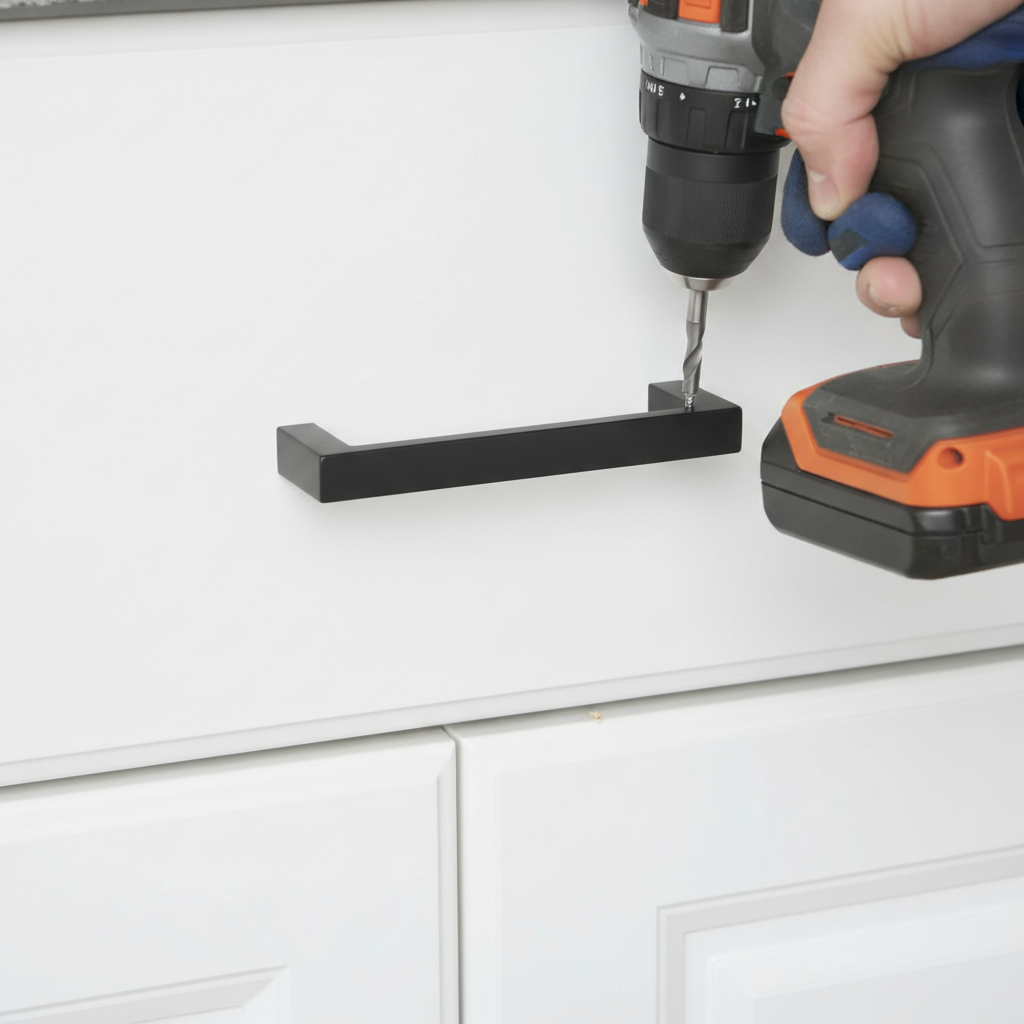
For durable finishes under daily wear, we pull from our bathroom waterproofing playbook—what survives shower steam survives sink splash. The upshot: use moisture-tolerant materials and verify all sealants cure per manufacturer guidance.
Local considerations for ON
- Plan work around winter and humidity swings. Paints and sealants cure differently in dry cold vs. humid summers—ventilation and cure times matter.
- Schedule deliveries with weather in mind. Keep cabinets and doors acclimatized indoors for 48 hours to limit warping.
- Coordinate permits and inspections early when electrical or ventilation is involved; schedules can compress in peak seasons across the GTA/Ontario region.
Tools, materials, and planning resources
Create a simple kit: tape measure, stud finder, drill/driver, painter’s tools, safety gear, and layout paper. Add LED strips, new hardware, and storage inserts to get outsized gains. Track tasks and trades on a one-page plan so sequencing stays clean.
- DIY kit: Tape measure, level, stud finder, drill/driver, painter’s tape, rollers, drop cloths, PPE (gloves, goggles, mask).
- Upgrade kit: Cabinet pulls/knobs, soft-close hinges, full-extension slides, LED strip lights, dimmer-ready switches.
- Surface kit: Primer suited to existing finishes, mildew-resistant caulk, grout sealer, and gentle surface cleaners.
- Planning tools: Grid paper for scale sketches, a shared checklist, and a phone photo log of hidden conditions.
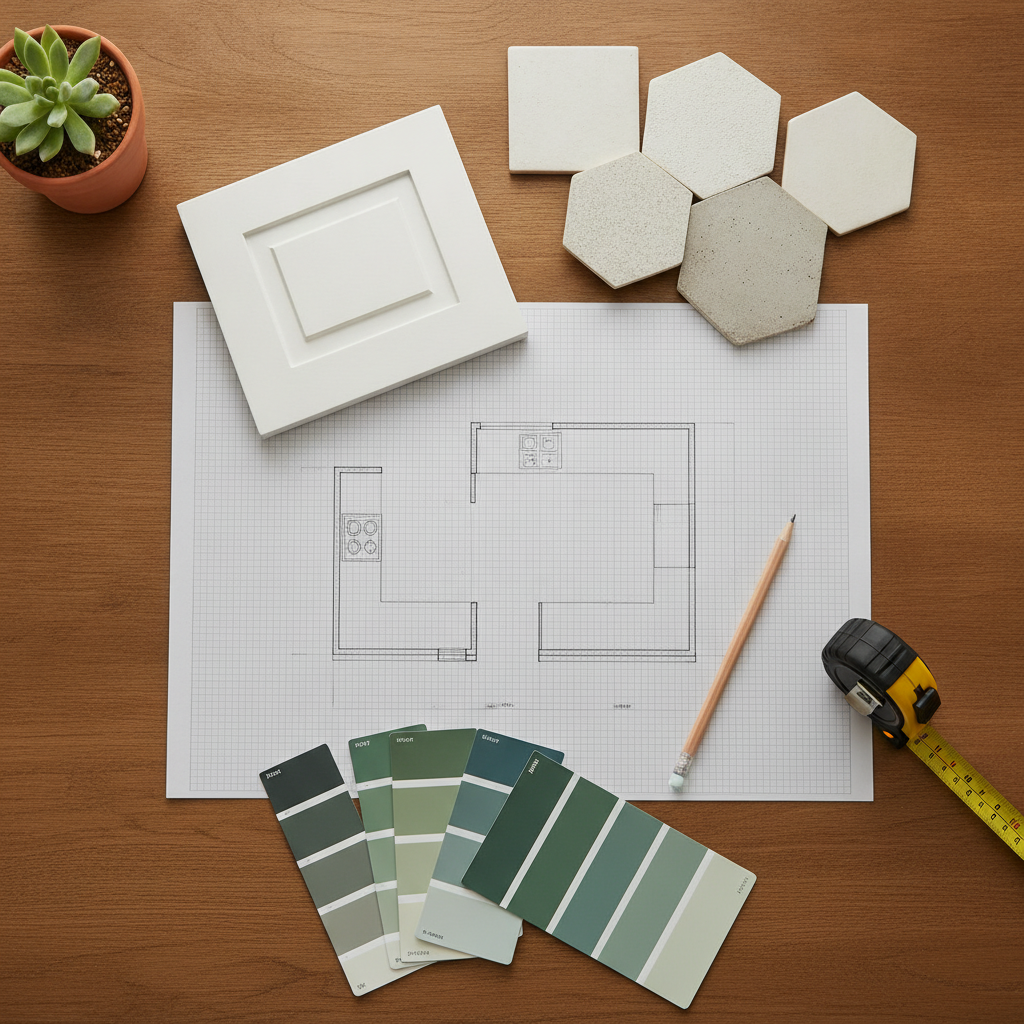
Want more structured help? Review our renovations overview to see how we price scopes, plan trades, and move from brief to build. For visual inspiration, browse our house upgrade portfolio.
For additional homeowner perspectives on planning, see this discussion of estimating a renovation budget and these small-kitchen space tips. Regional readers may also explore a combined kitchen-and-bath overview for idea crossovers.
Case studies and examples
In compact kitchens, we reuse what’s sound, add storage where it helps daily tasks, and improve lighting for clarity. Doors, hardware, and backsplashes deliver visual punch; drawer conversions and toe-kick space add capacity without moving walls.
Example 1: Face-lift, no layout move
- Scope: Repaint cabinet faces, swap pulls, add under-cabinet LEDs, simple backsplash.
- Why it worked: Boxes were sturdy; lighting and hardware modernized the space in days.
- Detail to note: Full-depth drawer slides made the narrow base cabinet actually useful.
Example 2: Drawer conversions in a galley
- Scope: Convert two lower cabinets to drawers, add tray dividers, and replace a wobbly laminate counter.
- Why it worked: Access improved instantly. The counter refresh unified the runs and brightened prep zones.
- Detail to note: A slim pull-out near the range corrals oils and spatulas without crowding.
Example 3: Micro peninsula for perching
- Scope: Add a 15-inch overhang on a base cabinet, shore up support with brackets, and place a small pendant.
- Why it worked: Added a breakfast perch and drop zone without stealing walkway clearance.
- Detail to note: Corner guard on the overhang prevents dings in high-traffic paths.
See how tight coordination plays out in our restaurant work, too. Although commercial, the sequencing lessons apply at home—explore our restaurant build-out insights for examples of efficient trade planning in compact footprints.
Frequently Asked Questions
Focus budget on parts you touch daily (hardware, counters, lighting), reuse sturdy cabinet boxes, and bring in licensed trades for electrical and plumbing. Keep walkways clear, seal splash zones, and ventilate well for a remodel that lasts.
What should I prioritize first in a tiny kitchen refresh?
Start with lighting and storage you use every day. Under-cabinet LEDs remove shadows on prep areas, while full-extension drawers and vertical tray dividers make lower cabinets usable. If cabinet boxes are solid, repaint faces and add new hardware to deliver a fast visual lift.
Do I need permits for a small-kitchen remodel?
If you’re altering electrical, plumbing, or ventilation, expect permits and inspections. Cosmetic work like painting and hardware swaps usually doesn’t require permits. When in doubt, ask a licensed contractor to review your scope and sequence so you stay compliant.
How do I make a small kitchen look bigger without removing walls?
Use light, low-sheen colors; add under-cabinet lighting; and minimize visual breaks. Open shelves for everyday items and a single, simple backsplash pattern reduce busyness. Keeping counters clear and using slim-profile fixtures also helps the room read larger.
What’s a smart DIY versus contractor split?
DIY painting, hardware swaps, and minor storage inserts are common wins. Leave electrical, plumbing, ducted ventilation, and countertop templating to licensed pros. This split keeps you safe, protects warranties, and helps the project move faster with fewer re-dos.
Conclusion and next steps
Lock your scope, pick high-impact upgrades, and sequence cleanly. Blend DIY with licensed trades so safety and finishes aren’t compromised. A small kitchen can look custom and work better—without heavy disruption—when every move serves daily tasks.
Key takeaways:
- Keep what’s sound; refresh faces, hardware, lighting, and storage.
- Respect clearances and safe ranges; ventilate and seal wet zones.
- Use a one-page brief and a measured layout to control scope creep.
- DIY the safe wins; call pros for electrical, plumbing, and templating.
Ready to plan your upgrade? Start with our kitchen project gallery, then explore residential services to scope your remodel. Prefer a quick consult? Our team in ON can map a practical path from idea to a finished space.
Related reading from our team
Explore more of our process and projects to see how we coordinate trades, protect timelines, and deliver clean finishes that last in compact spaces.
For sequencing lessons that translate to homes, read our note on coordinating build-outs. For small-space inspiration and finish detailing in tight footprints, visit our restaurant build-out guide. And for confidence in finishes, browse our waterproofing-forward bath upgrade.