Commercial build out contractors are general contractors who plan, permit, and coordinate tenant improvements so a bare shell becomes a code-compliant, branded space. In ON and across the GTA, Deeroi Constructions delivers restaurant, retail, bank, and office build-outs with tight coordination and clean finishes, guiding you from address and scope to a finished space.
By Deeroi Constructions • Last updated: 2026-06-10
Overview at a Glance
Build-out contractors turn empty shells into operational spaces by managing permits, trades, schedules, and inspections. The best teams reduce delays, rework, and code risk by using clear plans, shop drawings, staged inspections, and portfolio-backed craftsmanship—so opening day arrives on schedule with fewer surprises.
Here’s what you’ll learn in this complete guide and how we deliver across the GTA and Ontario.
- What commercial build-out contractors do and don’t do
- Why the right partner preserves timelines and brand standards
- How the step-by-step process flows from intake to turnover
- Delivery methods compared and when to use each
- Best practices tailored to restaurants, retail, banks, and offices
- Permits, codes, and resources you’ll actually use
- Mini case studies, checklists, and next steps
Jump to a section
- What Is a Commercial Build-Out Contractor?
- Why the Right Build-Out Partner Matters
- How the Commercial Build-Out Process Works
- Delivery Methods and Contractor Roles
- Best Practices on GTA and Ontario Projects
- Permits, Codes, and Practical Resources
- Mini Case Studies and Real-World Examples
- How to Choose Commercial Build-Out Contractors
- Owner Checklist: Build-Out Readiness
- Frequently Asked Questions
- Key Takeaways
- Conclusion and Next Steps
What Is a Commercial Build-Out Contractor?
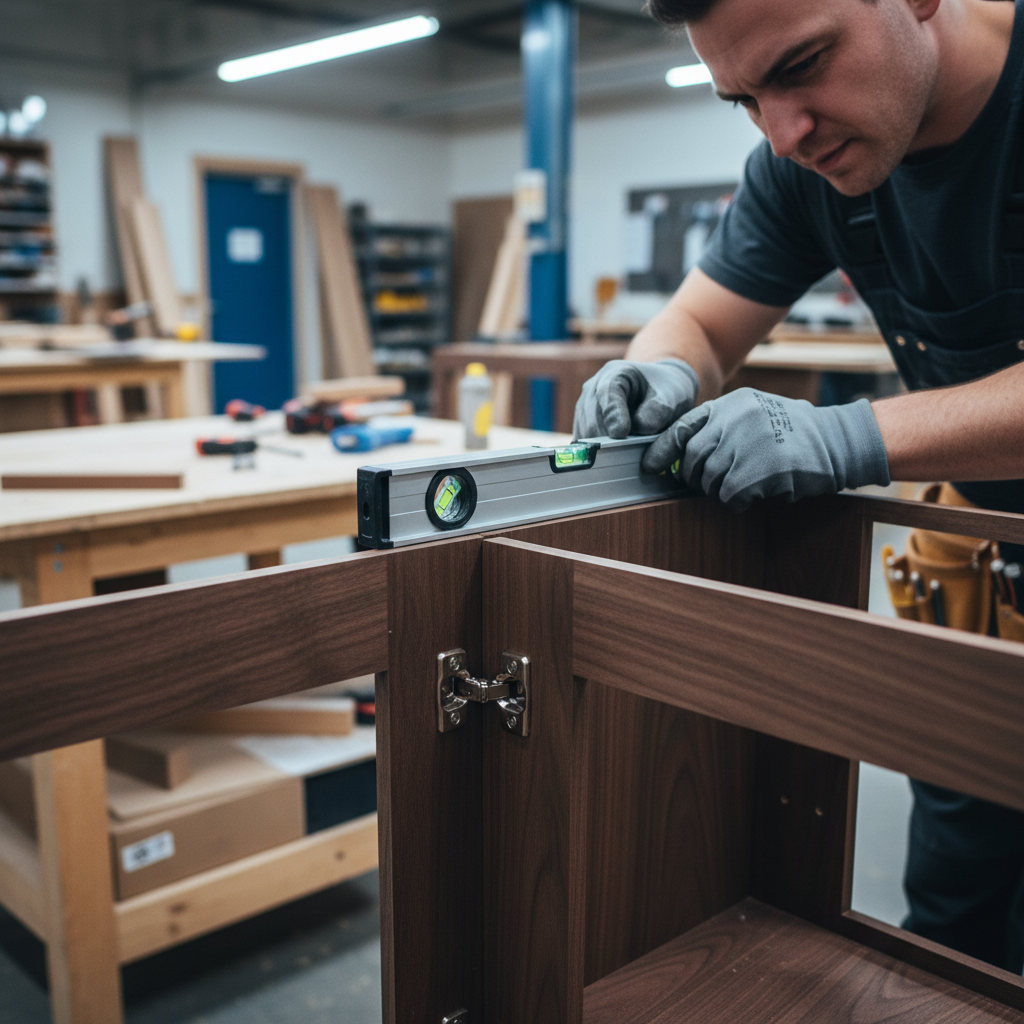
A commercial build-out contractor is a general contractor specializing in tenant improvements. They transform a landlord’s shell or existing space into a code-compliant, branded interior by coordinating permits, trades, inspections, and finishes—all aligned to the lease, schedule, and scope.
In practice, this role blends planning, code literacy, and craftsmanship. You hire one accountable team to own outcomes: coordination, safety, quality, and turnover. That single point of responsibility is why many GTA organizations prefer build‑out specialists over piecemeal trade hiring.
- Scope leadership: Convert concept and drawings into a buildable plan with shop drawings and clear trade packages.
- Permit support: Prepare submissions, respond to comments, and schedule required inspections.
- Trade coordination: Sequence framing, MEP, millwork, and finishes to minimize downtime.
- Quality control: Use mockups and hold points to catch issues before concealment.
- Turnover readiness: Commission systems, close deficiencies, and deliver as‑builts and warranties.
At Deeroi Constructions, “build‑out” spans restaurants and bars, retail shops, banks, offices, schools, and training centers across the GTA and Ontario. The common thread is coordinated trades and clean, durable finishes that reflect your brand vision.
Why the Right Build-Out Partner Matters
The right contractor compresses timelines, reduces code and inspection risk, and limits rework by sequencing trades and aligning decisions early. You gain schedule certainty, cleaner workmanship, and smoother turnover—benefits that compound across permits, inspections, and day‑one operations.
Opening a restaurant or bank branch involves high‑stakes coordination. Selecting a partner with a photo‑rich portfolio and institutional experience is a built‑in risk reducer. We regularly see that organized drawings, shop approvals, and early procurement can shave weeks of idle time while improving finish consistency.
- Schedule reliability: Early procurement avoids long‑lead bottlenecks; staged inspections prevent last‑minute roadblocks.
- Code confidence: Familiarity with fire separations, exits, accessibility, and kitchen exhaust standards prevents redesign loops.
- Brand execution: Feature walls, custom counters, and lighting deserve shop drawings and samples to lock finish quality.
- Operational readiness: Commissioning and staff run‑throughs align people and systems before doors open.
We build for results you can measure in days saved and issues avoided—not just square feet completed.
How the Commercial Build-Out Process Works
A strong process starts with intake (address, scope, deadline), continues through pricing and permits, and moves into mobilization, rough‑ins, inspections, finishes, and turnover. Each stage has defined deliverables to reduce rework and keep inspections on track.
Step‑by‑step flow we use
- Intake and site walk: Confirm existing conditions, landlord criteria, and utilities. Document photos and measurements for a shared baseline.
- Scope alignment: Resolve design intent, alternates, and allowances. Clarify kitchen equipment lists, lighting schedules, and security needs.
- Pricing and schedule: Provide a clear build plan with trade breakdowns and milestones that include inspection hold points.
- Permit submission: Package drawings and respond to comments until issuance. Pre‑coordinate fire separations and accessibility features.
- Mobilization: Setup safety, order materials, and onboard trades. Lock delivery windows to match site access restrictions.
- Rough‑ins and inspections: Framing, MEP rough‑ins, and staged inspections. Capture sign‑offs before concealment.
- Finishes and millwork: Feature walls, counters, lighting, flooring, glass, tile, and paint. Validate samples on site.
- Commissioning and turnover: Test systems, complete deficiencies, deliver as‑builts and warranty documents.
For restaurant interiors, add kitchen‑specific milestones: hood and duct coordination, grease‑rated assemblies, slip‑resistant floors, washable wall finishes, and health inspections. For banks, plan after‑hours windows and security vendor integration. Offices and schools emphasize durable finishes and low‑VOC materials for daily wear.
Delivery Methods and Contractor Roles
Build‑out work typically follows one of four paths: traditional general contracting, design‑build, construction management, or owner‑managed trades. Each path balances speed, transparency, and risk differently. Choose the model that matches your design clarity, timeline, and appetite for coordination.
| Approach | Best When | Owner Effort | Speed | Risk Profile |
|---|---|---|---|---|
| General Contractor | Design is clear; competitive bids desired | Low | Medium | Contractor holds trade risk |
| Design‑Build | Need speed; one team to design and build | Low | Fastest | Single‑point accountability |
| Construction Manager | Complex phasing; collaborate with design team | Medium | Fast | Shared risk with transparency |
| Owner‑Managed | Very small scopes; high owner bandwidth | High | Slow | Owner carries coordination risk |
If you’re opening multiple sites, design‑build often delivers consistency and speed. For one‑off, detail‑heavy interiors, a GC with proven millwork coordination is often your safer route.
Best Practices on GTA and Ontario Projects
On GTA and Ontario interiors, prioritize preconstruction alignment, shop drawings, early procurement, staged inspections, and mockups. These moves prevent rework, keep inspectors aligned, and deliver the brand finish you approved—without last‑minute scrambles.
- Preconstruction clarity: Resolve MEP loads, clearances, and fire separations early—before permit submission.
- Shop drawings and samples: Millwork, feature walls, countertops, and lighting reviewed before fabrication.
- Long‑lead tracking: Lighting, equipment, and specialty finishes ordered with buffer. Identify alternates.
- Inspection checkpoints: Build hold points into the schedule to invite reviews before concealment.
- Clean, durable finishes: Specify materials that withstand daily traffic (especially in restaurants and schools).
- Photo‑documented QC: Share progress images and mockups with stakeholders to confirm intent.
Explore how we execute this rigor in our commercial construction services and see it applied in an Etobicoke restaurant build‑out.
Local considerations for ON
- Plan winter access and deliveries; sequence interior work to avoid weather delays on loading and staging.
- Expect inspection calendars to tighten around holidays; build submittals and hold points ahead of those weeks.
- For restaurants and schools, coordinate health and life‑safety reviews in parallel with building inspections to protect your opening date.
Permits, Codes, and Practical Resources
Successful build‑outs align drawings with code before permit submission, schedule required inspections, and document life‑safety systems. Use building and fire guidance, accessibility standards, and health reviews to plan approvals and avoid redesign cycles.
Focus your effort where it counts most, then bring documentation to inspections so approvals move faster.
- Building basics: Occupant load, exits, fire separations, flame‑spread ratings for finishes, and accessibility features.
- Restaurant specifics: Hood and duct routing, make‑up air, fire suppression interfaces, washable wall finishes, and slip resistance.
- Bank and office needs: Security wiring coordination, vestibule and door hardware compliance, and low‑VOC finishes.
- Documentation: Keep inspection sign‑offs, test certificates, and as‑builts organized for turnover and insurance.
For broader industry context and checklists, you can reference this commercial remodeling overview, a general contracting explainer, and an overview of commercial construction services. Use these as perspective pieces alongside your official permitting requirements.
Mini Case Studies and Real-World Examples
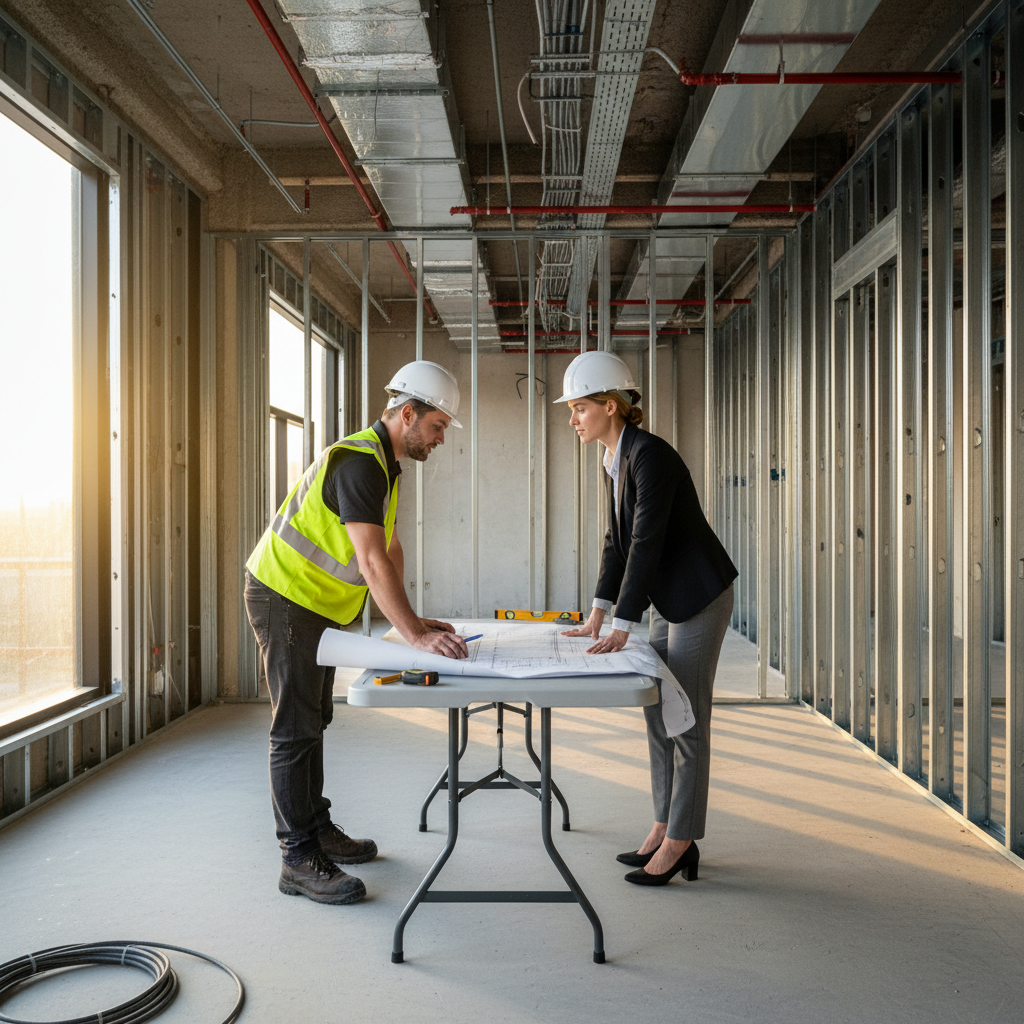
Consistent process yields consistent results. Across restaurants, retail, banks, and institutions, organized sequencing, shop drawings, and staged inspections limit surprises—so openings stay on schedule and finishes match the design intent.
- Restaurant interior: Coordinated millwork, feature walls, and lighting packages delivered a polished dining room and bar. See similar outcomes in our 7 Spice project photos.
- Retail refresh: Phased work after‑hours to keep doors open while replacing finishes and lighting, aligned to store branding.
- Bank renovation: Integrated specialty vendors and security requirements without disrupting branch hours; close coordination with door hardware schedules.
- Institutional training space: Durable finishes and code‑conscious layouts support daily traffic and safety in schools and training centers.
- Office upgrade: Added collaborative zones, acoustic control, and durable floor finishes, sequenced around tenant schedules.
- Bar build‑out: Wet bar plumbing, back‑bar millwork, feature lighting, and washable surfaces coordinated to support nightly service.
- Kitchen upgrade: Custom cabinetry, backsplashes, countertop installation, and lighting control—see our kitchen upgrade case study.
- Feature wall program: Consistent brand impact across multi‑site rollouts using repeatable shop drawings and finish schedules.
- Training center retrofit: Accessibility and egress refinements paired with durable, cleanable materials.
- Tenant turnover: Compressed schedules achieved through early procurement and weekend work windows.
- Back‑of‑house optimization: Storage, prep, and staff circulation mapped to reduce cross‑traffic and downtime.
- Lighting modernization: Energy‑efficient fixtures with balanced color temperature to enhance product and food appearance.
For more built work across homes and interiors, browse our renovations page and residential services. If you’re exploring custom homes in Toronto, our team’s residential experience helps align structural and finish quality from the start.
How to Choose Commercial Build-Out Contractors
Select a partner with a portfolio matching your space type, a documented process, strong trade coordination, and code‑conscious execution. Prioritize photo‑backed results and references—proven delivery beats theoretical capability every time.
- Portfolio fit: Restaurants, retail, banks, and offices require different rhythms—ask for examples that mirror your scope.
- Process clarity: Request a sample schedule showing inspection hold points and procurement milestones.
- Trades and vendors: Verify coordination of millwork, lighting, security, and kitchen equipment vendors.
- Documentation: Review example closeout packages with as‑builts, maintenance data, and warranties.
- Communication cadence: Weekly updates with photos and next‑step actions keep teams aligned.
In our experience, the most reliable predictor of success is a contractor’s portfolio evidence in your specific category—especially restaurants and banks where code and vendor integration are demanding.
Need a coordinated path to opening day? Share your address, scope, and deadline, and we’ll outline a clean plan. Explore our commercial construction services and portfolio to get started.
Owner Checklist: Build-Out Readiness
Use this checklist to speed approvals and reduce change orders: finalize equipment lists, confirm landlord criteria, request sample schedules, and pre‑approve finishes. Clarity upfront prevents redesign loops and accelerates procurement.
- Lease criteria and landlord rules collected
- Equipment list and electrical/mechanical loads confirmed
- Life‑safety requirements noted (exits, alarms, sprinklers)
- Preferred finishes and lighting samples reviewed
- Permit submission plan and inspection points agreed
- Vendor list aligned (millwork, security, kitchen equipment)
- Commissioning and training expectations defined
- Photo documentation and weekly update cadence set
Frequently Asked Questions
Common build‑out questions focus on permits, timelines, inspections, and day‑one readiness. Clear drawings, early procurement, and staged inspections are the fastest ways to protect schedules and reduce rework across restaurants, retail, banks, and offices.
What does a commercial build‑out include?
It converts a shell or existing space into your operational interior. Typical scopes include partitions, MEP rough‑ins, finishes, lighting, millwork, and life‑safety upgrades. The contractor sequences trades, manages permits and inspections, and delivers a complete, code‑conscious space.
How long does a build‑out take?
Timelines vary by scope and permit cycle. Restaurants and banks involve more reviews and vendor coordination than simple retail refreshes. The fastest paths align drawings early, procure long‑lead items up front, and invite staged inspections to avoid rework.
Do I need an architect for a build‑out?
Most commercial interiors require stamped drawings to obtain permits. Your contractor can collaborate with a designer or architect, or deliver via design‑build. The key is code alignment—exits, fire separations, accessibility, and mechanical loads must be resolved before submission.
Key Takeaways
Strong build‑out partners protect your opening date with coordinated trades, code‑aware planning, and documented finishes. Look for portfolio‑backed proof, a clear process, and collaborative vendor integration—then hold the schedule with staged inspections and early procurement.
- Hire for proven, photo‑backed results in your space type
- Resolve codes and loads before permit submission
- Track long‑lead items and schedule inspection hold points
- Document finishes, test systems, and plan training before turnover
Conclusion and Next Steps
Choose a contractor that owns outcomes—permits, coordination, inspections, and finishes. With a clear process and a portfolio you trust, the path from lease to launch becomes predictable—and your team opens on time, ready to serve clients on day one.
Ready to move from scope to schedule? Let’s talk about your address, drawings, and deadline, and we’ll outline a clean path to your opening day. Review our commercial services and recent renovations to see our approach in action.