Office remodel contractors plan, phase, and deliver workspace upgrades that keep your team productive while construction happens. In ON and across the GTA, the right contractor sequences trades, protects occupied areas, and coordinates permits so you reopen faster with code-compliant, durable finishes that fit your brand and workflow.
Last updated: 2026-06-18
Start here: your office remodel playbook
Use this guide to plan an office renovation with minimal downtime. It covers definitions, benefits, delivery models, step-by-step process, best practices, tools, and GTA-specific tips. You’ll also see real examples from Deeroi Constructions so you can evaluate scope, phasing, and finish quality with confidence.
This complete guide is written for operations leaders, facilities managers, and business owners planning a workspace refresh or tenant improvement in Ontario.
- What “office remodel” means versus a simple refresh
- How office remodel contractors reduce disruption
- Delivery methods (GC, Design-Build, CM) compared
- Phasing plans for occupied remodels
- Best practices, quality checks, and handover
- Local considerations for ON and the GTA
- What is an office remodel?
- Why remodeling your office matters
- How contractors deliver the work
- Delivery methods compared
- Types and approaches
- Best practices
- Tools and resources
- Case studies & examples
- Pricing and procurement factors
- How to choose a contractor
- FAQ
- Conclusion & next steps
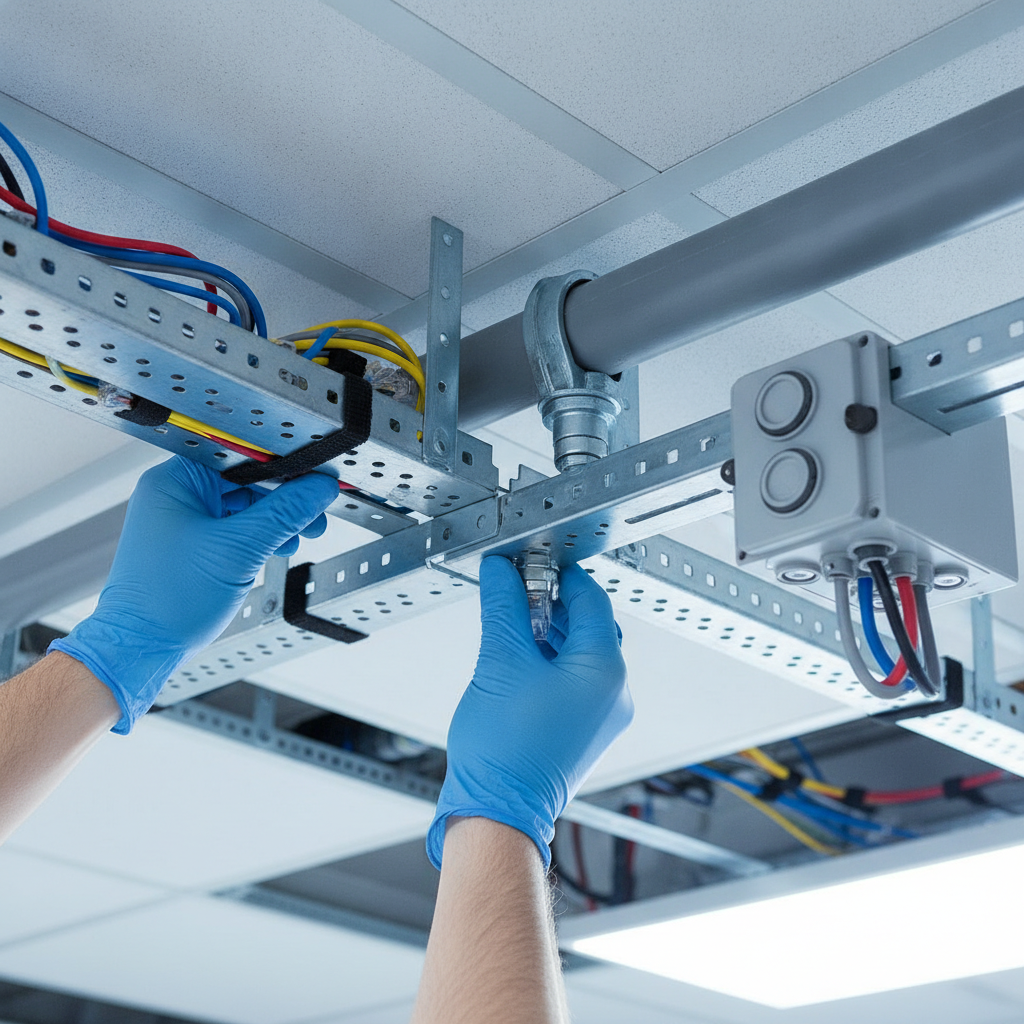
What is an office remodel?
An office remodel is a coordinated construction upgrade to your workplace that changes layouts, systems, and finishes without relocating your business. It may add collaboration zones, improve lighting and acoustics, refresh restrooms and kitchens, and update life-safety systems—while maintaining code compliance and business continuity.
Think beyond paint. A remodel often touches partitions, doors and hardware, millwork, lighting, power and data, flooring, and mechanical systems.
- Layout changes: New walls, glass partitions, phone rooms, and meeting hubs.
- Systems upgrades: Rebalanced HVAC, additional power/data, and low-voltage routing.
- Finish refresh: Durable flooring, acoustic ceiling treatments, and branded feature walls.
- Compliance: Accessibility, fire separations, and egress clarity remain intact.
At Deeroi Constructions, we pair these elements with a build path—scope, schedule, and trade coordination—so you see how work flows week to week.
Why office remodeling matters
Modernizing an office boosts productivity, talent retention, and client perception. Strategic upgrades—lighting, acoustics, flexible rooms, and ergonomic layouts—reduce task friction and support hybrid work. A well-planned remodel protects uptime, keeps safety intact, and turns underused square footage into daily value.
Here’s the thing: your office is a tool for focus and culture. When it supports real workflows, people collaborate faster and distractions drop.
- Performance: Better lighting and acoustics can reduce fatigue and context switching.
- Space efficiency: Converting dead corners into phone booths or touchdown space raises utilization.
- Brand and trust: Clean, code-conscious finishes reassure visiting clients.
- Safety continuity: Protection plans preserve safe egress and dust control during work.
We apply the same “clean and durable” standards used in our office and institutional renovations to tenant improvements, so finishes last through real use.
How office remodel contractors work
Office remodel contractors coordinate trades, schedule phasing, and maintain safety so work proceeds without derailing operations. Expect a structured path: discovery, scope and drawings, permits, procurement, phased construction, inspections, and closeout with documentation and warranty.
In our experience, clarity at intake sets the tone. We invite clients to bring the address, scope, and deadline; we then price the work, plan the trades, and map a clean sequence.
- Discovery: Walkthrough, constraints, hours of work, and occupied-zone protection.
- Scope & drawings: Layouts, reflected ceiling plans, power/data, and finish schedules.
- Permits: Submission strategy and inspections lined up in the timeline.
- Procurement: Long-lead items ordered early; alternates vetted for equivalent performance.
- Phased construction: Dust control, temporary partitions, and weekend or off-shift work.
- Commissioning: Lighting controls, HVAC balance, access control checks.
- Closeout: Punch list, clean-down, as-builts, and warranty packet.
For comparison checklists from other publishers, see this commercial remodeling guide and this commercial renovation guide.

Delivery methods compared
Choose delivery to match your risk, speed, and design goals. Bid–Build offers price transparency; Design–Build speeds decisions with one team; Construction Management gives you open-book collaboration. The right model minimizes downtime and aligns schedule control with your internal approvals.
Picking a delivery method is like choosing a lane: each controls design, budget, and schedule differently. Here’s a practical snapshot.
| Method | Pros | Risks | Best For | Schedule Control |
|---|---|---|---|---|
| General Contractor (Bid–Build) | Competitive pricing; well-defined scope at award | Design changes can add time; longer precon | Clear, complete drawings; low change appetite | Moderate once awarded |
| Design–Build | Single team; faster decisions; value engineering early | Owner relies on one team’s checks and balances | Speed, integrated finishes, evolving scope | High from day one |
| Construction Management | Open-book; early trade input; phased bid packages | Requires more owner engagement and decisions | Complex, occupied remodels; rolling permits | High with shared responsibility |
We adapt across models, using the same code-conscious standards we apply to commercial build-outs in the GTA.
Types of office remodels and approaches
Office remodels range from light refreshes to full reconfigurations. Occupied remodels use phasing and after-hours work. Tenant improvements align with lease terms. Strategy depends on scope, building rules, and the tolerance your team has for disruption.
Not all upgrades require vacating. The approach should reflect your operational reality.
Common scopes
- Occupied refresh: Paint, carpet tile, and LED retrofit with weekend shifts.
- Reconfiguration: New meeting rooms, focus pods, and branded feature walls.
- Systems tune-up: Added circuits, new drops, and balanced HVAC zones.
- Amenities: Breakrooms, coffee points, and mother’s rooms with durable millwork.
- Compliance: Egress clarity, door hardware, and accessibility improvements.
Trade packages we coordinate
- Demolition, framing, and drywall
- Glass partitions and doors
- Millwork and finish carpentry
- Lighting installation and controls
- Flooring and ceiling systems
- Power, data, and low-voltage
- HVAC adjustments and commissioning
We often blend these with hospitality-grade detail learned from our restaurant build-outs, where durable finishes and precise millwork get tested daily.
Best practices for less downtime
Protect business continuity with tight phasing, dust control, and clear wayfinding. Stage materials early, sequence noisy work off-hours, and pre-test systems. Weekly owner walk-throughs prevent surprises and keep schedule variance small.
Here’s how we keep productivity up while work happens.
Plan and protection
- Occupied zones: Temporary barriers, negative air machines, and daily clean-downs.
- Wayfinding: Safe paths, signage, and ADA-friendly detours maintained.
- Quiet windows: Noisy work moved to nights or weekends.
Procurement and staging
- Long-lead items: Order early; approve alternates with equivalent performance if needed.
- Just-in-time deliveries: Keep corridors clear; protect elevators and lobbies.
- Mockups: Approve junction details, millwork edges, and paint sheens upfront.
Quality and closeout
- Pre-functional tests: Check lighting scenes, access control, and HVAC balance.
- Rolling punch: Zero-out defects by area before moving partitions.
- Handover packet: As-builts, warranties, and maintenance notes.
These tactics have clear parallels with our occupied hospitality remodels, where uptime is non-negotiable.
Tools and resources
Use simple tools that improve clarity: annotated floor plans, a live punch list, and a two-week lookahead schedule. Add a decision log for finishes and a risk log for access, noise, and deliveries. These basic instruments keep teams aligned.
We prioritize tools that are easy to read on a phone during a job walk.
- Annotated PDFs: Keyed plans with room IDs and finish tags.
- Two-week lookahead: What’s happening, when, and by which trade.
- Decision log: Owner selections, due dates, and responsible parties.
- Punch tracker: Issues by room with photo, status, and target date.
- Risk register: Access limits, after-hours approvals, and mitigation steps.
For a broader perspective on commercial renovation planning, you can review an external planning overview from another publisher.
Case studies and examples
Real projects show how phasing, protection, and finish standards work. We leverage hospitality-grade detailing and code-conscious execution to keep offices open while upgrading systems and finishes, with a clear construction path from scope to handover.
Here are condensed examples demonstrating our approach.
Institutional refresh, GTA
- Objective: Reconfigure admin areas and add private focus rooms while classes continued.
- Approach: Weekend demolition, weekday build in protected zones, and rolling inspections.
- Outcome: New rooms came online in phases; staff moved in as areas passed punch.
Tenant improvement, multi-tenant office
- Objective: Add glass meeting rooms and refresh lighting with smarter controls.
- Approach: After-hours glazing installs; pre-functional lighting tests before occupancy.
- Outcome: Clearer collaboration areas, lower glare, and quieter open-plan acoustics.
Finish standards learned from restaurants
We carry techniques from restaurant interiors—tight millwork, washable finishes, and durable counters—into offices when appropriate. You can see workmanship standards in our Royal Garden project and the kitchen upgrade portfolio that informs amenity spaces.
Pricing and procurement factors (no numbers)
Budget accuracy improves when scope is clear, long-lead items are identified early, and alternates are vetted for equal performance. Focus on value—durability, maintenance, and productivity—not just material unit prices. The right procurement strategy keeps schedules firm without sacrificing finish quality.
We don’t publish prices. Instead, we build clarity that leads to reliable quotes and smooth delivery.
- Scope clarity: Drawings, room IDs, finish schedules, and hardware sets reduce ambiguity.
- Long-lead awareness: Lighting, glass, and specialty millwork often need more lead time.
- Alternates: Pre-approved equivalents protect schedule if supply shifts.
- Lifecycle view: Choose finishes that clean easily and resist wear.
- Phasing premium: Occupied remodels add protection, cleaning, and off-hour labor complexity.
How to choose office remodel contractors
Select a contractor with occupied-renovation experience, clear phasing plans, and portfolio proof of clean finishes. Verify permitting approach, communication rhythm, and how they protect uptime. The best partners show you a construction path before site mobilization.
Here’s a concise checklist to interview office remodel contractors effectively.
What to ask
- Show three occupied remodels with references.
- Walk me through your dust, noise, and egress protection plan.
- Who runs permitting and inspections? What’s the timeline expectation?
- How do you stage long-lead items to avoid delays?
- What does your weekly update look like? Who attends?
- How do you document as-builts and warranties?
Red flags
- Vague phasing or no mention of after-hours work options.
- No examples of projects delivered in occupied buildings.
- Poor communication cadence or missing lookahead plans.
To see our standards in action, explore our occupied hospitality build-outs and our broader renovations overview.
Local considerations for ON
- Plan schedules around winter conditions that affect deliveries and after-hours access, especially for glazing and exterior-linked work.
- Account for permit and inspection timing typical in the GTA; build a buffer in your lookahead and sequence cleanly.
- Coordinate building rules for freight elevator bookings and quiet hours; align phasing with neighboring tenants’ peak periods.
Considering an office remodel in the GTA? Bring your address, scope, and deadline. We’ll map phasing, protection, and a clean construction path. Start with our renovations intake.
Frequently Asked Questions
These quick answers address common planning questions about office remodels—timelines, permits, and how to minimize disruption. Each answer is concise so you can share it internally and keep decisions moving.
What’s the typical timeline for an occupied office remodel?
Timelines depend on scope, permitting, and long-lead items. Occupied remodels often run in phases with after-hours work. A two-week lookahead keeps teams aligned, and rolling inspections help release areas earlier for re-occupancy.
Do we need to close the office during construction?
Not always. With proper barriers, negative air, and clear paths of travel, many teams stay operational. Noisy or dusty tasks can be scheduled after-hours. The decision comes down to safety, building rules, and your tolerance for short disruptions.
How do permits affect schedule?
Permits set the pace for inspections and approvals. Good pre-submission drawings reduce comments. Build a buffer for review timelines and coordinate inspection windows in the lookahead so trades finish on-time without idle days.
What finish choices hold up best?
Choose durable flooring, washable paints, and millwork with protected edges. Favor LED lighting with comfortable color temperatures and acoustic treatments that reduce echo. These selections resist daily wear and keep spaces looking clean longer.
Conclusion and next steps
A successful office remodel blends clear scope, smart phasing, and code-conscious execution. When contractors protect uptime and deliver clean finishes, your team returns to improved space faster—without surprises.
- Define scope with drawings and finish schedules.
- Pick a delivery method that matches your speed and risk.
- Plan phasing and after-hours work to protect uptime.
- Track lookaheads, decisions, and punch items in real time.
- Review portfolio proof to confirm finish quality.
Ready to discuss your ON or GTA project? Start your plan on our renovations page and we’ll outline a construction path to opening day.