

How to vet a kitchen construction company before you hire
What successful comparisons start with: a short intake prompt you can copy
Before you call three contractors, prepare a single brief that forces comparable answers. Use this prompt when you request a written quote so every contractor prices the same work: project address, current footprint and whether walls move, a short scope (appliances and finish levels), any custom millwork or stone counters, waterproofing or plumbing relocation, target completion date, and your budget range.
Deeroi Constructions follows a similar intake approach: bring the address, scope, and deadline and the team prices the work, plans trades, and creates a clear construction path to a finished kitchen. Sharing these details from the start improves quote accuracy and reduces follow-up questions. For local portfolio examples and a description of the intake process, see Deeroi Constructions’ kitchen renovation contractors page and their main site.
Credentials, insurance and who does the work
One common mistake is assuming the lowest bid is fully qualified. Ask for three concrete verifications on the first call:
- Proof of commercial general liability insurance and WSIB or equivalent coverage for employees. Confirm policy limits and effective dates.
- Whether the contractor is a registered business in Ontario, and whether they operate as a general contractor who directly employs trades or as a coordinator who subcontracts everything. This affects scheduling accountability and who you call when trades conflict.
- A clear statement about who will pull permits if any work is structural or involves plumbing, electrical, or gas, and who will manage municipal inspections.
Guides that collect contractor vetting questions recommend asking early about licensing, insurance, and who will perform the work so you can remove firms that cannot document these basics. If a contractor hesitates to provide documentation, consider that a warning sign.
One-question test that reveals trade management
Ask: "Who will schedule and supervise the electrician, plumber, cabinetmaker, and tile setter on site, and who signs the daily reports?" If the contractor hesitates or gives a vague answer, that suggests trade coordination may be inconsistent and will likely increase your risk of delays.
Relevant kitchen experience: how to verify project fit and finish
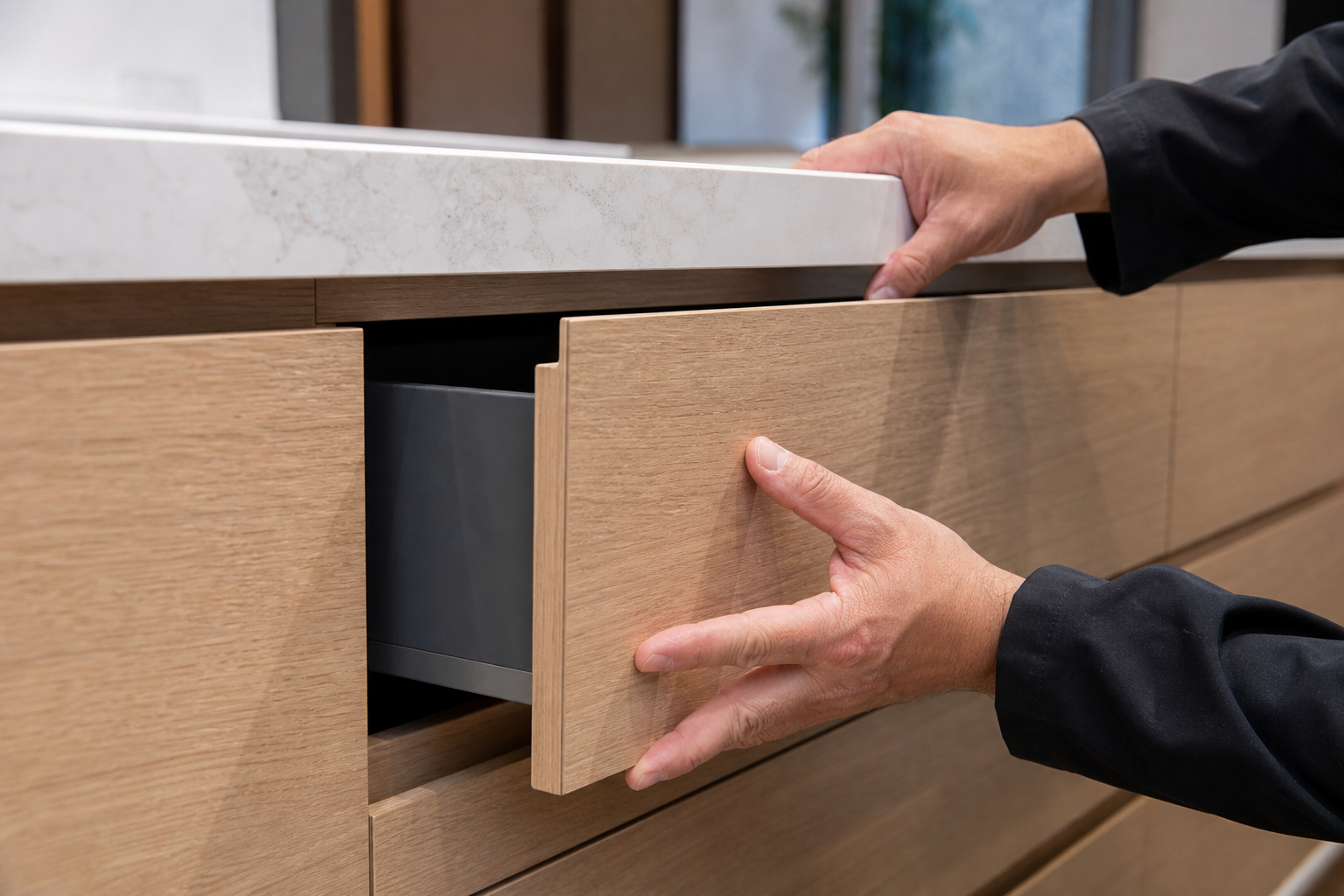
Not every renovation company is equal for kitchens. Demand examples of past kitchen projects that match your scope and finishes. Useful evidence includes photographs showing millwork, countertops, and final hardware, and at least two recent references you can call or email.
- Ask to see several completed kitchens comparable in scale and finish. Photos are useful, but request client contact details for at least two references so you can confirm the contractor’s role.
- When you contact references, ask about schedule reliability, how defects were handled, and whether the contractor coordinated trades efficiently.
- Beware of glossy portfolios that mix subcontractor work without identifying the contractor’s role. Confirm the contractor led the overall build or supplied key trades on that project.
Resources that list practical verification steps can help you decide what to request from candidates before you shortlist them.
Scope clarity and apples-to-apples quotes
An apples-to-apples comparison depends on a well defined scope. Many disputes start because bids omit critical items or use different allowances. Require every written quote to explicitly state the following scope items:
- Exact footprint and whether walls, windows, or doors move.
- Which appliances are included, and whether appliance hookup, venting, or gas lines are part of the bid.
- Custom millwork, cabinet quality, door style and hardware, and who supplies them.
- Countertop material, edge profile, fabrication and seam allowances.
- Waterproofing and tile backer details for wet areas, and who performs sink waterproofing.
- Allowances and exclusions, for example tile price per square foot, appliance brands, or quartz slab grade.
- Waste removal, site protection for the rest of the home, and dust control measures.
As kitchen-quote guidance notes, a contractor can only quote what you describe. Use the intake prompt above and attach photos or plans so every contractor returns a comparable, itemised estimate.
Schedule, trade coordination and homeowner disruption
Kitchen renovations create real lifestyle disruption. Ask each contractor for a phased schedule with milestones that show when trades overlap and an estimated number of days the kitchen will be unusable. Useful planning questions include:
- Who manages sequencing and daily trade schedules?
- What site protection and dust mitigation will be used to keep the rest of the home liveable?
- How will on-site changes that affect schedule and cost be handled and approved?
Downtime is a top practical concern. Expect honest, phased answers. A contractor promising an exact finish date without trade buffers is usually optimistic. A realistic phased plan shows they understand coordination and contingency.
Contracts, payment structure and Ontario legal checks

Payment terms and local legal protections are frequent sources of dispute. In Ontario, a 10% holdback practice is commonly used to protect owners from lien claims under the Construction Act. Ask how the contractor applies holdbacks, who holds the funds, and which conditions release them. For province-specific details, consult regional renovation guidance.
Other contract items to require in writing include:
- Detailed payment milestones tied to specific deliverables, not vague dates.
- A clause that names who will obtain permits and pay inspection fees, if permits are required.
- A change order procedure with written signoff and a method for resolving cost or schedule disputes.
- Retention language or defect holdback until a documented punch list is closed.
Warning signs include open-ended deposits above industry norms, refusal to use written change orders, or ambiguous permit responsibilities. Local contractor guides advise choosing firms that clearly explain lien holdback and municipal permits before work begins.
Warranties, defects and the post-completion punch list
Ask for specific warranty periods in writing for workmanship and for supplied products, and request the reporting process for defects. Reasonable expectations include a defined defects period for trades work, a punch list and a signoff procedure before final payment.
- Get warranty lengths for cabinets, countertops, plumbing and electrical work in writing.
- Confirm response times for urgent post-completion issues, for example leaking plumbing or hazardous electrical faults.
- Retain a portion of final payment until you receive a completed punch list and municipal signoffs where applicable.
Contact references specifically about post-completion responsiveness, because aftercare separates competent contractors from those who finish quickly but do not return for warranty work.
Decision checklist and a short contractor question script you can use today
Use this printable decision checklist to compare contractors quickly. Mark each item yes, no, or needs follow-up:
- Written, itemised quote that matches your intake prompt.
- Proof of insurance and WSIB coverage.
- Clear permit responsibility and knowledge of municipal inspections.
- Examples of at least two recent, comparable kitchen projects with client references.
- Phased schedule with estimated kitchen downtime days.
- Payment schedule with Ontario 10% holdback explained.
- Written warranty for workmanship and a detailed post-completion response plan.
Six-question phone script for first contact
- "Can you confirm your business name, insurance limits, and WSIB status?"
- "Have you completed kitchens like mine in the GTA or Ontario recently? Can you show photos and references?"
- "Who will pull permits and who arranges inspections if required?"
- "Please itemise what is included and excluded in the quote, including allowances."
- "Who manages trade scheduling and how many days will my kitchen be unusable?"
- "What is your warranty for workmanship and how do you handle defects after handover?"
Short email template to request a comparable quote
Use a concise email that includes your intake prompt and attaches plans or photos. Ask the contractor to return a written, itemised quote within a set timeframe so you can compare bids fairly.
When you are ready to review local portfolios and request a quote from a vetted local contractor, see Deeroi Constructions’ kitchen renovation contractors page for project examples and the intake process to start a quote. Visit the Deeroi Constructions homepage to request an estimate.
Frequently asked questions
What is the 10% holdback in Ontario and how does it protect me?
Ontario construction guidance commonly describes a 10% holdback practice under the Construction Act, where a portion of progress payments may be retained to protect owners from lien claims. Contractors and owners should agree in writing how holdbacks are calculated and released. For province-specific details on holdback practices for renovations, consult regional renovation resources.
Who is normally responsible for pulling permits and arranging inspections for a kitchen renovation in the GTA?
Usually the contracting firm that manages the project arranges and pays for permits and inspections, though some trades will pull their own permits. Always confirm in writing who will file permits before work starts, because permit responsibility affects final municipal approvals.
How long will my kitchen be unusable and how should I plan for temporary arrangements?
Downtime varies with scope. Ask each contractor for a phased schedule and an estimated number of full days the kitchen will be out of service. Prepare a temporary kitchen plan and verify the contractor’s dust control and site protection measures to reduce household disruption.
What are the fastest ways to verify a contractor’s recent kitchen work and references?
Request project addresses or photos, then contact listed references to confirm timeline adherence and defect handling. Ask for local examples in the GTA or Ontario when possible, and compare finishes in the photos to the materials you plan to use.
If defects appear after completion, what is a reasonable timeline and process to expect for repairs?
A reasonable contractor provides documented warranty periods and responds to urgent issues quickly, often within a specified business-day window. Expect a written punch list, a schedule for repairs, and a process for withholding final payment until agreed defects are closed.
Key takeaway: focus your comparisons on documented scope, local kitchen experience, trade coordination, and Ontario payment and permit practices to reduce risk and choose a contractor you can rely on.
Ready to start? Review Deeroi Constructions’ kitchen renovation contractors portfolio and request a quote for your address and scope from a local GTA team that documents finished work and coordinates trades from estimate to completion. Deeroi Constructions