
Home exterior renovations compared: materials, scope and contractors
Planning home exterior renovations can feel overwhelming because choices affect curb appeal, maintenance, and long term durability. This article compares the common exterior scopes and materials you will see in contractor bids and gives a practical contractor vetting and intake checklist so homeowners in the GTA and Ontario get comparable quotes and avoid surprises.
Which exterior scopes matter most for your goals
Siding and cladding
Siding or cladding changes the house personality and usually carries the largest visual impact. Replace cladding when you see damage, rot, persistent drafts, or an outdated façade that reduces value or permits water entry. If your priority is curb appeal or preparing for resale, a full cladding update is often the right choice. If the issue is isolated damage or paint failure, targeted repairs and a repaint may be enough.
Roof replacement or repair
Roofs trigger structural, warranty, and weatherproofing concerns. A roof near the end of its expected life, showing active leaks, or requiring repeated patching should be considered for replacement rather than repair. Roofing work can expose interior finishes if leaks have already started, so have contractors inspect attic space and flashing details before deciding scope.
Window and door replacement
Windows and doors affect energy performance, comfort, and security. Replacement is worth prioritizing when frames are warped, glazing is failing, or condensation appears between panes. New windows also change curb appeal. For many Ontario homes, high performance windows produce measurable comfort gains, but confirm manufacturer U values and warranty details with suppliers and contractors.
Trim, paint and small repairs
Trim replacement, fresh paint, and selective repairs deliver high curb appeal for relatively low cost and short disruption. These scopes are good value when the structure is sound and you want visual improvement without large capital investment.
Entry, steps and landscaping
Improving the entry, steps, and basic landscaping often produces the fastest perceived upgrade. Replace or refinish the front door, repair steps for safety, and refresh planting beds to boost first impressions without reworking the entire envelope.
Five decision criteria to compare every exterior option
Use a consistent framework to compare options. The five criteria here keep the comparison practical and local.
- Durability, how long the material typically lasts in Ontario weather.
- Maintenance, frequency and ongoing cost of upkeep.
- Ontario climate suitability, resistance to freeze thaw, moisture, and wind.
- Impact on curb appeal, aesthetic change per dollar spent.
- Contractor complexity, how many trades are involved and the schedule risk.
How to weight the criteria
Weight the criteria by project goal. For low maintenance projects put durability and climate suitability higher. For resale or curb appeal prioritise visual impact. For limited budgets value maintenance and contractor complexity to reduce surprise costs.
Materials compared: siding and cladding options for Ontario
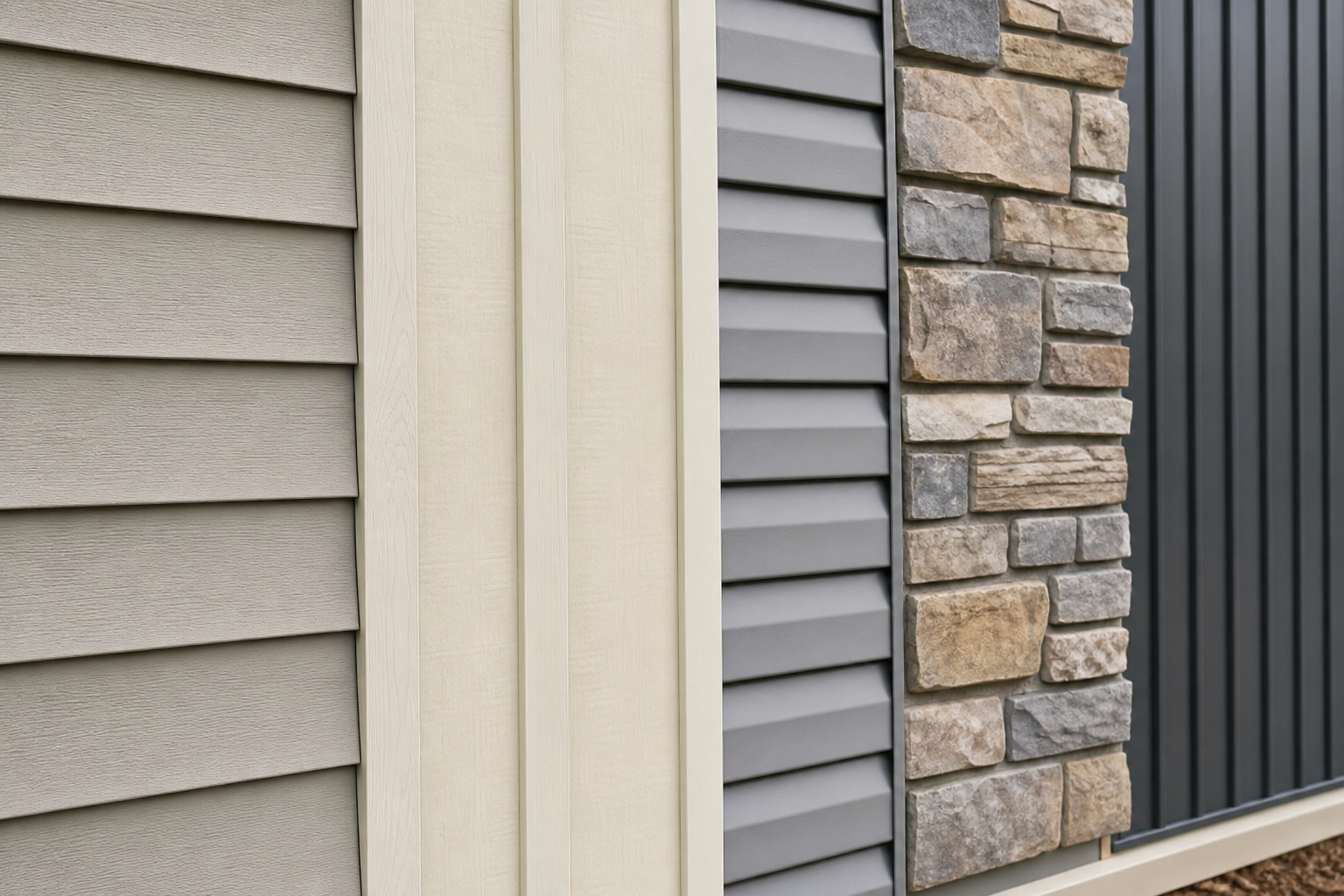
Different cladding materials perform differently in Ontario. Below are practical tradeoffs and a quick reference you can use when discussing bids with contractors.
Vinyl siding
Pros include low initial cost, minimal routine maintenance, and a wide colour range. Cons include lower longevity than masonry or fibre cement and potential for cracking in extreme cold. Vinyl is a common budget choice but check nailing, flashing, and trim details to avoid water infiltration.
Fibre cement
Fibre cement offers strong durability, good fire resistance, and a painted finish that can mimic wood grain. It resists rot in wet climates but is heavier to install, which raises labour costs. Fibre cement is a strong middle option for Ontario because it balances lifespan and finish quality.
Wood cladding
Wood provides unmatched warmth and texture, but it requires ongoing maintenance such as repainting or staining to prevent rot. Choose wood only if you accept regular upkeep or if you want a specific architectural appearance that justifies the maintenance.
Brick and masonry
Brick and stone deliver the longest lifespans and low maintenance, with high curb appeal. They come at a higher upfront cost and may require structural assessment if a new veneer is added. For many homeowners the longevity and low maintenance justify the investment.
Metal and composite panels
Metal and modern composite cladding suit contemporary homes and offer strong weather resistance. Metal performs well in wind and snow, but expansion joints and fasteners must be detailed correctly to avoid leaks. Composite panels can simplify maintenance and provide dramatic finishes.
For additional notes on how materials affect appearance and cost, see the RONA cladding guide and the RenoAssistance facade overview, both of which outline material, cost, and maintenance considerations for Canadian climates.
Other material decisions: roofing, windows and doors
When to replace versus repair a roof
Replace a roof when the shingles are at end of life, when you have active leaks, or when multiple patched areas exist. Repairs suit small isolated issues. Have contractors inspect flashings and valley details, because these often cause future leaks even after a partial repair.
Window performance metrics homeowners should ask about
Ask suppliers for U value, visible light transmittance, and any ENERGY STAR or equivalent certification. Compare frame materials such as vinyl, wood, and aluminium for durability versus maintenance. Confirm manufacturer warranty and expected lifespan before making decisions.
Door choices for security and curb appeal
Doors range from steel with minimal maintenance to custom wood that needs finishing. Consider energy performance as well as security hardware and threshold details to reduce drafts and water entry.
How to vet and shortlist exterior contractors in the GTA
Choosing the right contractor is as important as choosing materials. The Government of Canada consumer guidance warns homeowners not to risk their home to save money and advises preparing carefully and reviewing contracts before signing. Follow these steps to shortlist contractors.
Smart questions to ask on first call
- Do you have experience with this exact scope and material? Request recent photos.
- Who will manage permits and trade coordination?
- What warranty do you provide on workmanship and who backs the product warranty?
- Can you provide references for similar Ontario projects?
For more contractor-focused questions and conversation starters, see the practical list of questions for Toronto exterior contractors published by a regional trade writer at Aimgreno.
Red flags and warning signs
- High pressure to sign immediately, or large upfront payment requests beyond reasonable deposits.
- No written contract or refusal to list scope, allowances, and payment schedule in writing.
- Vague answers about who pulls permits or who carries liability for trades.
- No portfolio or references for similar work in the GTA.
What a good portfolio shows
Look for clear before and after images, close ups of flashing and joinery details, and finished edges around windows and doors. Deeroi Constructions displays completed case studies and photography on their website so you can judge finish quality before you request a quote.
Permits, codes and timeline risks for Ontario projects
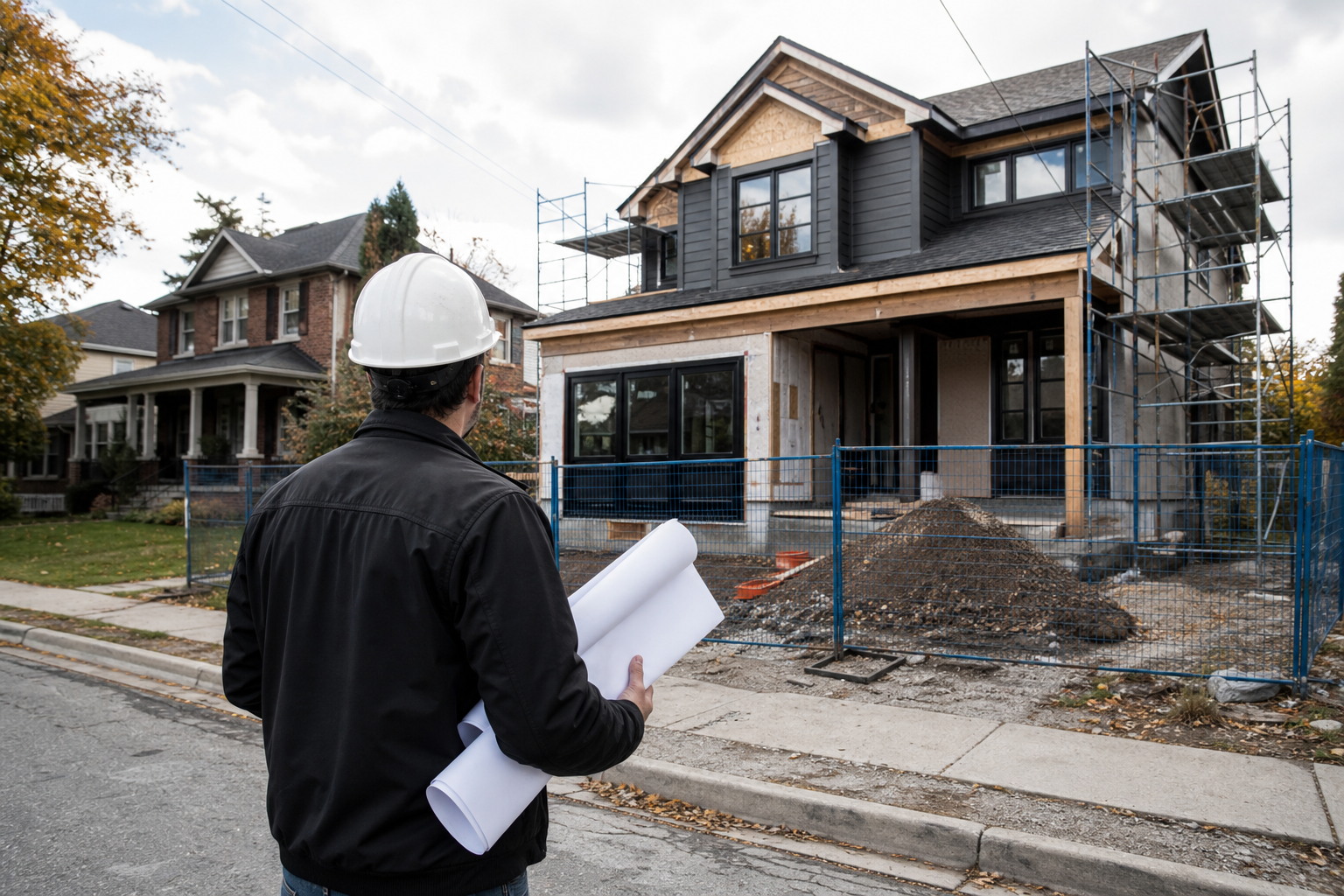
Permits can affect both cost and schedule. The Office of Consumer Affairs recommends that homeowners confirm permit responsibilities and review contracts thoroughly before signing, because some renovations must meet municipal code and inspection requirements. Common triggers that often need permits include structural changes, roofing replacement when framing is altered, and window egress changes.
How permit delays show up in bids
Expect longer lead times if a project requires drawings or municipal review. Good bids list permit responsibilities, allow time for inspection, and include contingency for municipal comments. Avoid contractors who suggest skipping permits to save time or money, because that approach risks fines and future resale complications.
Getting comparable quotes: the intake checklist contractors need
Comparable quotes start with consistent information. Use this intake template when you contact three contractors so you get apples to apples estimates.
Intake checklist to send to contractors
- Property address and municipal jurisdiction.
- Clear scope description, for example, “replace all vinyl siding with fibre cement on two storey front and sides, replace trim, replace front steps” or “repair soffit and paint front elevation only.”
- Target deadline or move in date.
- Photos of existing conditions and any sketches or inspiration images.
- Preferred materials or allowances if undecided.
Norum Construction recommends a defined multi step process that ends in a detailed quote homeowners can plan around, which helps reduce surprises when comparing bids. Deeroi Constructions similarly asks clients for address, scope, and deadline as part of a clear intake so the team can price and coordinate trades reliably. For more on residential tradeoffs see the residential renovations options compared page on the Deeroi Constructions website.
How to compare bids side by side
- Confirm scope completeness, whether allowances are included, and who manages permits and inspections.
- Check payment schedule and holdbacks for defects.
- Compare warranties on workmanship and products.
- Note which trades are subcontracted and whether the contractor provides a single point of contact for coordination.
Managing quality, warranties and common homeowner objections
How trade coordination reduces rework
Coordinated scheduling prevents trades from working over each other and reduces defects and rework. Ask for a high level schedule and trade sequence so you understand when disruptive tasks will occur.
What a sensible warranty looks like
Expect a written warranty on workmanship for a defined period, product warranties from manufacturers, and clarity about who fixes defects after handover. Avoid contracts that do not specify warranty response times or contact methods.
Final inspection checklist for sign off
- Confirm flashing and sealant around windows and doors are complete.
- Check gutters, downspouts, and drainage paths for proper function.
- Inspect paint and finish continuity, and close up any gaps at trim.
- Get remaining punch list items in writing and set a date for completion.
FAQ
How do I know whether to repair or fully replace my siding or cladding
If you see widespread rot, moisture stains, sagging, or recurring leaks, replacement is usually the right decision. If issues are isolated, targeted repairs and repainting can extend life. Use the durability and maintenance criteria and ask contractors to inspect for hidden water damage before deciding.
What questions should I ask a contractor to get comparable quotes
Ask about experience with the material, who manages permits, the warranty offered, a clear payment schedule, and request recent project photos. Provide the same intake details to each contractor so their bids are comparable.
Do I need a permit for exterior renovations in the GTA
Some exterior projects require permits depending on scope and municipality. Always confirm who will pull permits and include permit responsibility in the contract. The Office of Consumer Affairs advises homeowners to check permit requirements and review contracts before agreeing to work.
How long do different siding and roofing materials typically last in Ontario
Lifespan varies by material and installation. Brick and masonry often last decades with low maintenance. Fibre cement typically lasts longer than vinyl, and wood lasts well only with regular maintenance. Roofing lifespan depends on material and exposure, and an inspection will determine whether repair or replacement is appropriate.
What are common red flags on an exterior renovation contract
Red flags include no written scope, vague payment terms, refusal to list who pulls permits, lack of warranty details, and refusal to provide references or a portfolio of completed projects in the GTA.
If you are ready to move from research to quotes, collect address, scope, and your target deadline and share them with contractors so they can price and plan the work. For portfolio examples and to request a scoped quote, visit Deeroi Constructions.