Residential remodeling is the coordinated planning and renovation of a home’s spaces—kitchens, bathrooms, additions, and finishes—to improve function, safety, and resale potential. It includes defining scope, design, permitting, trade scheduling, and quality-checked installation. For Brampton and GTA homeowners, a structured approach keeps timelines predictable and delivers clean, durable finishes.
By Deeroi Constructions • Last updated: 2026-06-23
Above-Fold Section: Hook + Table of Contents
Start your residential remodeling with a clear scope, a room-by-room plan, and a dependable general contractor. Define must-haves, confirm code requirements, align trades to a calendar, then lock finishes. A simple checklist upfront prevents delays, change orders, and rework—saving weeks and protecting the quality of your finished space.
Thinking about renovating but not sure where to start? Here’s the playbook Deeroi Constructions uses across Ontario homes to keep projects organized and on schedule.
- What is residential remodeling?
- Why it matters for your home
- How the process works (step-by-step)
- Types, methods, and approaches
- Best practices that prevent rework
- Tools and resources
- Case studies and examples
- FAQ
- Conclusion and next steps

Overview
Residential remodeling succeeds when planning, permits, and procurement are locked before demolition. Finalize drawings, materials, and fixtures, then schedule inspections and trades on a shared timeline. With decisions made early, crews work continuously and your project finishes on time with fewer surprises.
At Deeroi Constructions, we guide homeowners through scope definition, design, code-conscious execution, and finish quality. Our residential work benefits from commercial-grade coordination used on restaurants, banks, and institutional spaces across the GTA.
What Is Residential Remodeling?
Residential remodeling is the planned renovation of a home’s interior or exterior to improve layout, function, and finish quality. It covers kitchens, bathrooms, basements, additions, and custom features. A strong plan aligns design, permitting, trades, and inspections to deliver durable, code-compliant results.
Think of it as orchestrating many moving parts. Design choices, building code requirements, material lead times, and trade availability all influence the timeline. When you coordinate each piece early, you prevent mid-project stalls and protect finish quality.
Core components
- Scope and priorities: Define must-haves vs. nice-to-haves; align on layout changes and structural needs.
- Design and selections: Approve drawings, fixtures, cabinetry, tile, flooring, and lighting packages.
- Permitting and inspections: Prepare applications where required; plan for inspection milestones.
- Trade coordination: Book demolition, framing, electrical, plumbing, HVAC, and finish carpentry in logical sequence.
- Quality control: Inspect waterproofing, tolerances, and finishes; build a punch list to close the project cleanly.
Residential remodeling is most effective when your general contractor manages trade handoffs and confirms site readiness daily. That’s the model we use on Ontario homes and on our commercial build-outs.
Why Residential Remodeling Matters
Remodeling matters because it modernizes layout and systems, improves safety and durability, and elevates daily living. Well-planned updates often increase buyer appeal while reducing maintenance. Prioritizing code compliance and waterproofing protects your investment for the long term.
Here’s the thing: the right upgrade can solve daily friction. Better kitchen flow shortens meal prep. Thoughtful storage keeps counters clear. A waterproofed shower stops recurring repairs. When finishes and function align, your home simply works better.
Benefits you can feel
- Function and flow: Open sightlines, logical work triangles, and improved clearances reduce everyday hassle.
- Safety and compliance: Updated electrical, GFCI protection, ventilation, and fire-stopping support a safer home.
- Moisture defense: Proper shower membranes, slope to drains, and sealed penetrations prevent hidden damage.
- Durable finishes: Quality cabinets, tile, and millwork look better for longer and resist wear.
- Resale confidence: Buyers favor move-in-ready homes with modern kitchens and bathrooms.
What most people don’t realize is how much small decisions compound. Choosing a prefinished floor with a harder topcoat, or a tile with rectified edges for tighter grout lines, can change maintenance for years.
How Residential Remodeling Works (Step-by-Step)
A successful remodel follows a predictable path: define scope, lock design and selections, confirm permits, schedule trades, and execute with quality checks. Decisions made before demolition keep work continuous, reduce change orders, and protect your finish date.
- Discovery and scope: Walk the home, capture measurements, agree on priorities, and identify code-sensitive items.
- Design and drawings: Align on layout, elevations, and details; finalize selections for cabinets, tile, flooring, and lighting.
- Permits and readiness: Prepare applications as required; plan inspection milestones; verify structural and MEP implications.
- Procurement: Order long-lead items; stage materials to arrive before their scheduled install week.
- Execution and inspections: Demolition, framing, rough-ins, close-in, finishes; complete inspections at the right steps.
- Quality and turnover: Punch list, commissioning (fans, fixtures), final clean, and homeowner sign-off.
Typical timeline checkpoints
| Phase | Main Activities | Checkpoint |
|---|---|---|
| Planning | Scope, drawings, selections | Selections locked before demo |
| Permitting | Submit where required | Inspection milestones defined |
| Rough Stage | Framing, electrical, plumbing, HVAC | Pre-close inspection passed |
| Close-In | Insulation, drywall | Ready for tile and paint |
| Finishes | Cabinetry, tile, tops, fixtures | Punch list issued |
| Turnover | Commissioning, clean, handover | Homeowner walkthrough done |
Local considerations for Brampton and the GTA
- Plan seasonal work so weather-dependent tasks (exterior openings, deliveries) avoid peak winter slowdowns in the GTA.
- Coordinate inspections early; align interior work so required visits fall on contiguous days to minimize schedule gaps.
- For occupied homes, sequence rooms to keep one functional bath and a temporary kitchen available whenever possible.
In our experience managing both residential remodeling and commercial build-outs, a shared calendar that includes inspections and long-lead deliveries is the single best schedule protector.
Types, Methods, and Approaches
Focus your remodel on high-impact zones first: kitchens, bathrooms, and storage circulation. Choose an approach—full gut, targeted upgrades, or phased work—and decide between general contracting and design-build. Lock materials early to ensure availability when crews are ready.
Kitchens that work hard
Kitchens reward smart planning. We align appliance locations, island clearances, and task lighting, then pair durable finishes with clean details.
- Cabinetry and millwork: Custom or semi-custom boxes, soft-close hardware, and durable finishes. See our kitchen upgrade portfolio for real examples.
- Backsplashes and countertops: Tight grout joints and sealed tops simplify cleanup.
- Lighting layers: Ambient, task, and accent lighting keep prep zones bright and safe.
- Workflow: Work triangles (sink–range–fridge) and landing zones reduce steps during daily use.
Bathrooms built to last
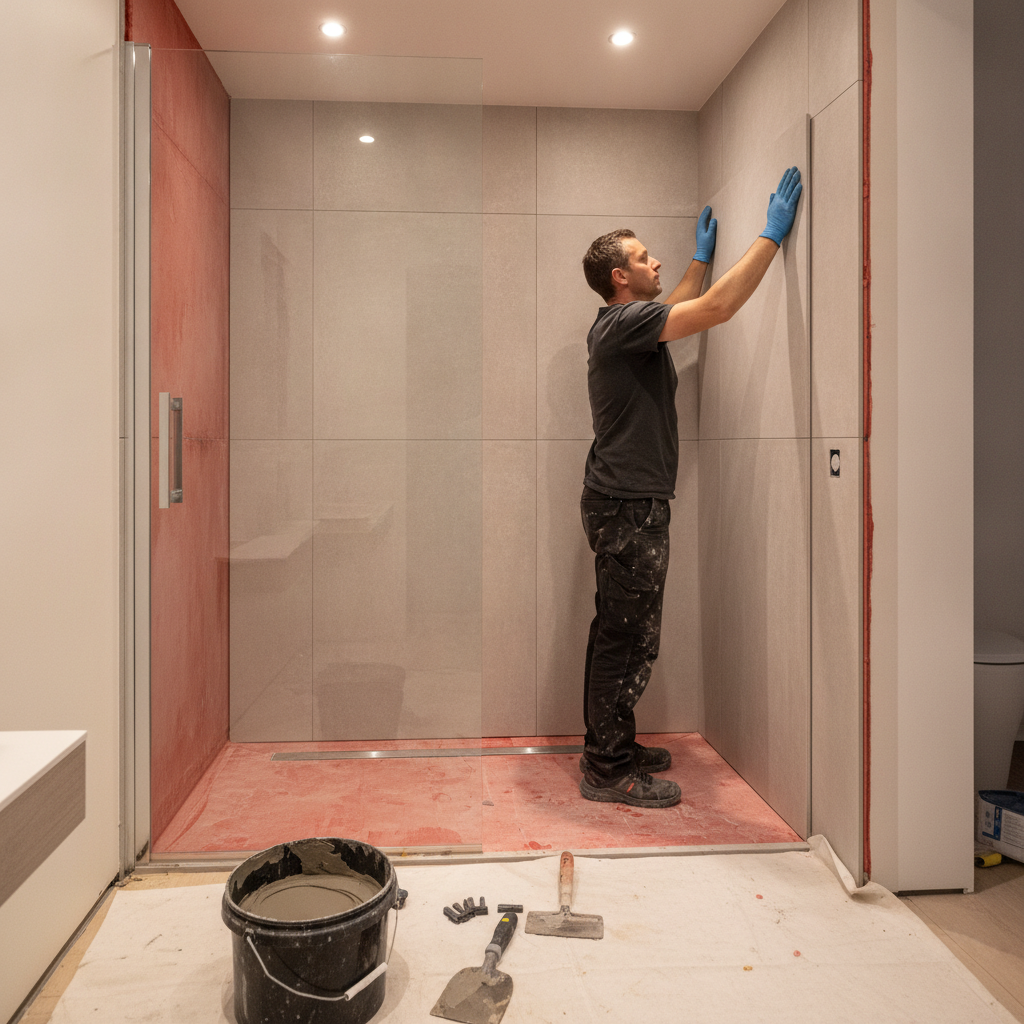
Bathrooms are all about waterproofing discipline and clean lines. From membranes and slope to drains, to glass shower installation and tile layout—details carry the day.
- Waterproofing: Continuous membranes, sealed penetrations, and tested slopes prevent hidden damage.
- Fixtures and ventilation: Balanced exhaust and makeup air reduce moisture load; quiet fans encourage daily use.
- Glass showers and tile: Plumb walls and true corners yield tight glass fits and crisp grout lines.
Basements, additions, and custom homes
- Basements: Moisture control and egress considerations come first; plan for comfort with insulation and zoning.
- Additions: Tie-ins to existing structure, rooflines, and mechanical systems must be carefully designed.
- Custom homes: Bigger canvas, same discipline—see our custom residence example and our residential services.
Choosing your delivery model
- General contractor (GC): You bring design; we price, plan trades, and build to the drawings.
- Design-build: One team leads design and construction; helpful for complex phasing or when decisions evolve.
- Hybrid approach: Start with concept drawings, then lock details with our build team as selections finalize.
Whether you choose GC or design-build, our renovations process emphasizes code compliance and finish quality—habits we honed on GTA restaurant interiors and office renovations.
Best Practices That Prevent Rework
Prevent rework by freezing selections before demolition, confirming rough-in dimensions, and sequencing trades with site-readiness checks. Protect surfaces, inspect waterproofing, and document tolerances. When every trade knows what “done” looks like, punch lists shrink and schedules hold.
Planning and design discipline
- Freeze selections early: Cabinets, tile, tops, fixtures, and paints should be ordered and scheduled before demo.
- Field-verify dimensions: Re-check critical clearances (appliances, vanities, glass) against shop drawings.
- Permit-aware drawings: Plan for inspection access; keep rough-in pathways visible until approved.
Site protection and quality checks
- Protect finished surfaces: Floor and stair protection, dust barriers, and vent masks keep the home clean.
- Waterproofing inspections: Flood tests and photo logs verify membranes before tile goes in.
- Tolerance targets: Specify reveals, grout joints, and level/plumb checks; measure and document.
Communication habits that stick
- One source of truth: Centralize schedules, selections, and RFIs so everyone builds from the same plan.
- Weekly touchpoints: Short, focused updates keep decisions moving and clear obstacles fast.
- Close-out early: Start the punch list at the first finish install, not at the very end.
We apply the same checklists on residential remodeling that we use for bank, retail, and restaurant projects—see how this coordination shows up in our Mehfil interior and other portfolio work.
Tools and Resources
Use a shared calendar, a selections tracker, and a site-readiness checklist. Centralized information shortens decision time, reduces change orders, and keeps crews productive. Pair these with guidance from reputable industry resources to validate plans and sequence inspections.
Build your toolkit around clarity and accountability:
- Selections tracker: Item, spec, finish, supplier, lead time, order date, install week, and on-site status.
- Schedule board: Phase-by-phase plan with inspection windows and delivery dates.
- Site-readiness checklist: Defines what “start” means for each trade so work begins on time.
For additional reading, see this practical architecture and construction guide on building smarter spaces. If you’re weighing process options, this design-build renovate guide outlines how integrated teams reduce handoffs. And for kitchen/bath planning ideas, explore design kitchen and bathroom tips.
Case Studies and Examples (GTA)
Examples show the process in action. We document scope, sequence, and finish quality so homeowners can see results before they start. Here are condensed snapshots from our GTA portfolio that illustrate planning discipline and clean finishes.
Kitchen upgrade with tight tolerances
In a recent GTA kitchen, we coordinated custom cabinetry, backsplash installation, and lighting layers to create a brighter prep zone. Early shop-drawing reviews caught a clearance issue around the range before framing. See a similar approach in our kitchen upgrade.
Whole-home refresh in Vaughan
We sequenced trades across floors to maintain a functional bath and temporary cooking area while updating finishes. Material staging kept installers building continuously. Explore the strategy in our Vaughan house upgrade.
Custom residence planning
On custom home work, the same coordination scales: drawings locked, inspections sequenced, and finishes ordered early. See our Caledon custom residence for a view of this discipline on a larger canvas.
Bring your address, scope, and deadline. We’ll price the work, plan the trades, and move your project from idea to a finished space with a clear construction path. Start on our renovations page.
Frequently Asked Questions
Homeowners ask about timelines, living through construction, permits, and how to avoid rework. The short answers: freeze decisions early, stage materials, keep one functional bath or kitchen, and align inspections with the trade calendar.
How do I prepare my home before demolition?
Pack and clear the work zone, set up dust protection paths, and identify storage for delivered materials. Freeze selections and confirm delivery dates. If you’ll live on-site, plan a temporary kitchen or designate a bathroom that remains functional during the remodel.
Do I need permits for residential remodeling?
Permits depend on scope. Structural changes, new openings, or system alterations typically trigger permits and inspections. We review drawings, advise on requirements, and sequence work so inspection milestones fit the overall schedule without long gaps.
What’s the best way to avoid rework?
Decide early and document. Lock cabinets, fixtures, tile, and lighting before demolition. Verify rough-in dimensions against shop drawings. Use a site-readiness checklist so each trade starts on time. These habits shrink punch lists and keep the finish date intact.
Can I live at home during a remodel?
Yes, with planning. We sequence rooms and utilities to maintain a functional bath and a basic cooking setup. Expect some noise and dust, but protection pathways, daily cleanup, and clear schedules make living-in-place workable for many projects.
Conclusion and Next Steps
Plan first, then build. When selections, permits, deliveries, and inspections are aligned before demolition, your residential remodeling finishes faster and cleaner. Use a central tracker and weekly check-ins to keep momentum until handover.
- Key takeaways: Freeze decisions early; stage materials; coordinate inspections with trade calendars; protect surfaces; document tolerances.
- Next steps: Gather your address, scope, and deadline. Explore our residential services and portfolio examples, then reach out.
- Local CTA: Book a discovery call for Brampton or anywhere in the GTA. We’ll map your path from idea to done.
Related Guidance to Explore
Curious how commercial coordination improves home results? Our restaurant and office experience informs schedules, site protection, and finish standards that carry over to residential work. Browse our renovations overview to see how we plan scopes, manage trades, and deliver clean handoffs.