Kitchen reno on a budget is a strategic refresh of finishes, fixtures, and layout choices to maximize function and style without overspending. In ON and across Ontario, Deeroi Constructions plans value-first scopes—painting, hardware swaps, smart lighting, and selective upgrades—so you get a cleaner, brighter kitchen that fits your goals and timeline.
By Deeroi Constructions • Last updated: 2026-06-21
Overview: Plan a kitchen reno on a budget
A budget-friendly kitchen renovation focuses on high-impact, low-complexity changes—like paint, hardware, lighting, and selective surface upgrades—sequenced in a smart order. Define goals, protect what works, and phase the rest. This approach stretches every dollar, speeds timelines, and keeps daily life running while work progresses.
Here’s what you’ll get in this complete guide, crafted for ON homeowners and tailored to how our team at Deeroi Constructions actually builds:
- Clear definition of a budget-savvy kitchen makeover and why it matters
- Step-by-step plan from scope to punch list (with a printable checklist)
- High-value upgrades that deliver the biggest visual and functional lift
- DIY vs. pro tasks and a process table you can follow
- Best practices from our GTA projects, including case-style examples
- Local considerations for ON: seasons, codes, and scheduling windows
Use the table of contents below to jump to what you need.
- What is a budget kitchen renovation?
- Why budget remodels matter in ON
- How a budget kitchen renovation works (step-by-step)
- Types of budget-friendly approaches
- Best practices to stretch value
- Tools, materials, and resources
- Pricing factors and scope planning
- Case studies and examples
- FAQ
- Conclusion and next steps
What is a budget kitchen renovation?
A budget kitchen renovation replaces or refreshes select elements—paint, hardware, lighting, backsplash, and counters—while keeping the layout and cabinets when possible. The goal is a cleaner, brighter, more functional space with minimal disruption, prioritized by impact and sequence so you see results fast without unnecessary scope creep.
In our experience across the GTA, “budget” does not mean cutting corners. It means:
- Keeping structure/layout when the work triangle flows (total 13–26 feet works well for most homes).
- Refreshing cabinets with paint or new doors instead of full replacement.
- Upgrading surfaces that dominate sightlines: backsplash, counters, sink/faucet.
- Dialing in lighting for tasks (prep, cooking) and mood (warm, even ambient).
- Coordinating trades so painting, electrical, and tile happen in the right order.
Why this matters: kitchens are high-traffic. Standard base cabinets are 24 inches deep, counters 25–25.5 inches, and ranges commonly 30 inches wide. Small, well-sequenced changes around those fixed dimensions deliver outsized results with less demolition and fewer surprises.
Why budget remodels matter in ON
Budget-focused remodels protect layout and infrastructure, improve daily use, and boost perceived value. In ON’s climate and housing stock, smart sequencing and durable finishes matter more than big demos. You get a refreshed look, safer electrical, and easier maintenance—without losing weeks to avoidable downtime.
We see two recurring realities for ON homeowners:
- Space is finite. Many kitchens sit between 90–180 square feet. Storage and lighting upgrades unlock function without moving walls.
- Seasonality is real. Exterior venting and deliveries move smoother in spring/summer; interior-only updates work year-round.
- Code-conscious work (e.g., GFCI near sinks, proper venting) supports safety and insurability long term.
We prioritize durable, easy-clean finishes and well-placed outlets/switches so daily life runs better. That’s the upside of a value-first plan: fewer unknowns, faster wins.
Local considerations for ON
- Schedule around winters: Aim for paint and ventilation upgrades when humidity is manageable; reserve heavier exterior-vent work for milder months.
- Lead times: Popular cabinet door styles and appliances can have variable supply times; lock decisions early to keep your kitchen usable.
- Power and protection: Plan GFCI/AFCI protection at counters and sturdy flooring that handles slush and salt tracked in from entries.
How a budget kitchen renovation works (step-by-step)
Start with what stays, then phase upgrades: paint and patch, lighting and electrical, plumbing fixtures, backsplash, counters, and finishes. Protect floors, isolate dust, and keep a working zone. A clear sequence reduces rework, keeps your kitchen usable, and compresses downtime.
Use this sequence to keep momentum and protect what matters:
- Define non-negotiables. Keep layout if the triangle and clearances work (36-inch counter height; 24-inch base depth).
- Cabinet plan. Choose repaint/re-door/replace. If repainting: degrease, sand, prime, spray for a smooth finish.
- Electrical lighting. Add task lights under cabinets, upgrade to LED, and confirm GFCI near water sources.
- Plumbing fixtures. Swap in a deeper sink and quality faucet; consider a pull-down sprayer.
- Backsplash. Tile after counters are set; 3x6 subway or large-format porcelain cuts grout lines.
- Counters. Template after base cabs are stable; protect edges during install.
- Hardware and accessories. New pulls (96–160 mm centers are common), soft-close hinges, and organizers.
- Paint and finish. Final wall color and caulking after wet trades are done.
- Punch list. Adjust doors, align outlets/switch plates, seal grout and stone per manufacturer specs.
Process table for quick planning:
| Phase | Main goal | Who | Prep tip |
|---|---|---|---|
| Scope + Protect | Keep what works; dust control | Homeowner + GC | Zip walls, floor protection, vent masking |
| Electrical | Safe, layered lighting | Licensed electrician | Confirm GFCI; map circuits |
| Plumbing | Reliable sink/faucet | Licensed plumber | Shutoff valves accessible |
| Surfaces | Backsplash + counters | Tile/fabrication crew | Set level lines; dry fit corners |
| Finish | Hardware + paint | Homeowner + GC | Jig for pulls; caulk seams |
For examples of clean sequencing in action, skim our photo-driven kitchen upgrade portfolio and the broader renovations overview we maintain for homeowners across Ontario.
Types of budget-friendly approaches
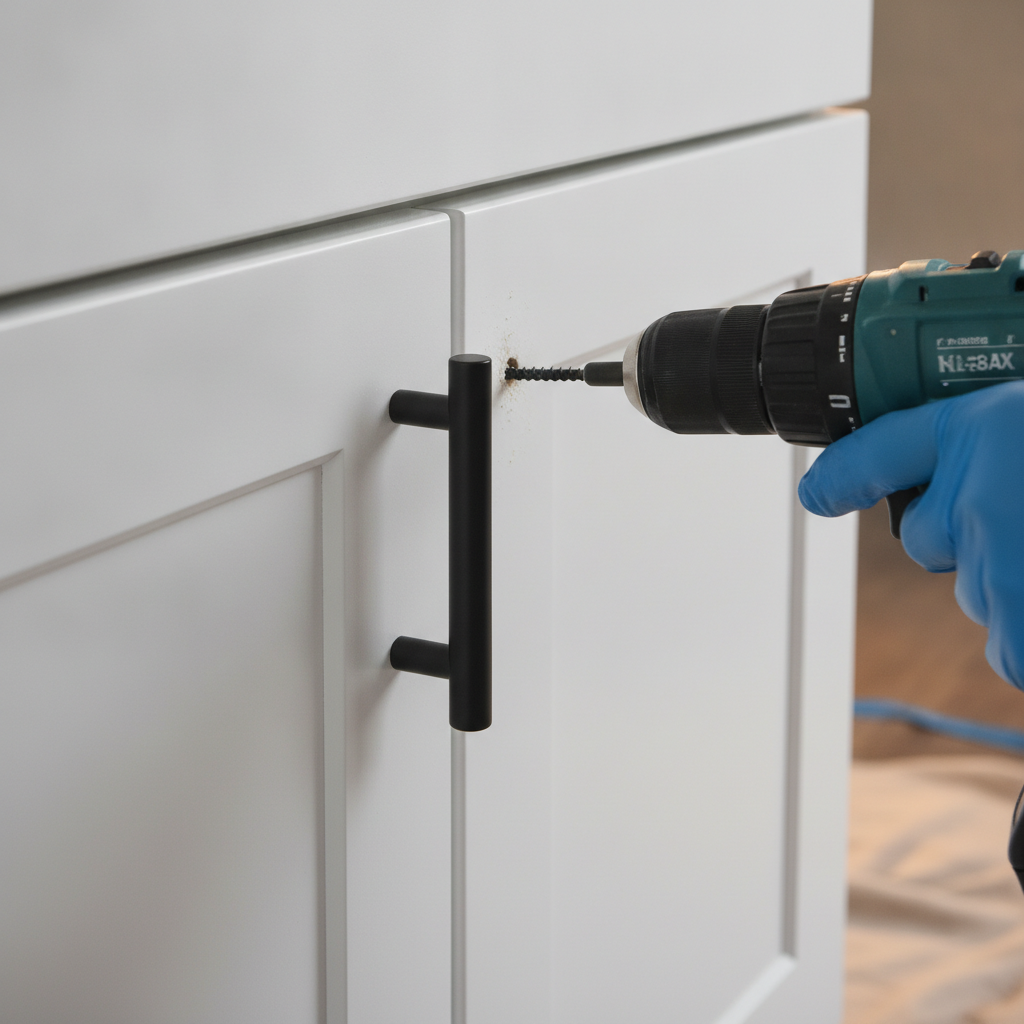
There are four reliable paths: refresh (paint + hardware), partial retrofit (backsplash, faucet, lighting), surface-forward (new counters + tile with existing boxes), and phased upgrades. Choose based on cabinet condition, timeline, and your tolerance for downtime.
Refresh: paint + pulls
- When to choose: Cabinet boxes are sturdy, doors are sound, and you like the layout.
- Key moves: Degrease, sand, prime, spray two topcoats; add matte black or brushed brass pulls.
- Why it works: Paint and hardware live in every photo; updating both anchors the new look.
Partial retrofit: tile + faucet + lighting
- When to choose: Counters are fine, but backsplash and fixtures feel dated.
- Key moves: Add a pull-down faucet, deeper single-bowl sink, dimmable under-cabinet LEDs.
- Why it works: Better prep light reduces eye strain; new tile sets tone and texture.
Surface-forward: counters + backsplash
- When to choose: You want a bolder visual shift without replacing cabinets.
- Key moves: Choose durable, low-maintenance counters; large-format porcelain or classic subway tile.
- Why it works: Big surfaces dominate sightlines; changing them resets the style.
Phased upgrades: plan and stage
- When to choose: You need to spread work across seasons or around family routines.
- Key moves: Do paint/hardware first; schedule electrical and tile later; keep a temporary prep zone.
- Why it works: Maintains kitchen usability while momentum continues.
To see how phasing plays out alongside other scopes, browse our Vaughan house upgrade and the Royal Garden Oakville project—both show sequencing that kept spaces livable.
DIY vs. Pro: who should do what?
| Task | DIY-friendly? | Pro recommended? | Reason |
|---|---|---|---|
| Painting cabinet doors | Yes (with prep) | Optional | Time-intensive; spraying yields smoother finish |
| Hardware installation | Yes | Optional | Template/jig ensures consistent alignment |
| Under-cabinet LEDs | Limited | Yes | Code and clean wiring, switch placement |
| Sink/faucet swap | Intermediate | Yes | Shutoffs, sealants, and leak checks |
| Backsplash tiling | Intermediate | Optional | Layout lines, outlets, edge profiles |
| Counter templating | No | Yes | Precision fit; seam and overhang control |
When you do bring in pros, coordination is half the win. Our team sequences electricians, plumbers, tile setters, and finish carpenters so your kitchen stays usable as long as possible.
Best practices to stretch value
Prioritize sightlines, protect what you keep, and layer light. Stick to durable, easy-clean finishes; confirm electrical safety; and pre-plan hardware and tile details. Small technical decisions—like outlet heights and grout choices—compound into a kitchen that looks better and works smoother every day.
Design decisions that punch above their weight
- One cabinet color + warm wood notes: White or soft gray cabinets with natural wood shelves or stools warm the space.
- Matte black or brushed brass hardware: Both pair well with white shaker and light oak tones.
- Subway or large-format tile: 3x6 subway is timeless; large-format 12x24 reduces grout lines for easier cleaning.
- Simple door styles: Shaker fronts hide wear better than high-gloss slab in busy households.
Technical tweaks that matter daily
- Toe-kick LED or night lights: Helps during early mornings without blasting the room.
- Trash + recycling pull-outs: A 15–18 inch cabinet can often be converted with an off-the-shelf kit.
- Under-sink organization: Keep trap and shutoffs reachable; add a mat to catch drips.
- Edge profiles: Eased or small radius on counters resists chipping and feels better to the touch.
Protection and sequencing
- Dust control: Zip walls, taped vents, and floor protection save hours in cleanup and protect HVAC.
- Ventilation: A properly ducted hood improves indoor air and keeps cabinets cleaner.
- Sealants: Seal grout and stone per instructions; re-check after 24–48 hours.
For finish-level inspiration from our commercial side, scroll through the finishes in our Seven Spice Brampton project—note how lighting, tile, and millwork align—then compare to residential work in the Caledon custom residence.
Tools, materials, and resources
Build a lean kit: surface prep tools, a quality sprayer or rollers, drill/driver with jigs, tile tools, and safety gear. Choose durable, easy-clean materials and confirm electrical components meet code. Organized tools reduce downtime and help DIY and pro teams work faster together.
Minimal tool kit for a high-impact refresh
- Prep + paint: Degreaser, sanders, tack cloths, high-adhesion primer, sprayer/roller/brushes.
- Hardware: Drill/driver, screws, cabinet hardware jig, level, tape measure.
- Tile: Wet saw or snap cutter, notched trowels, spacers, level, grout float, sponge.
- Safety: Eye/ear protection, masks/respirators, gloves, knee pads.
Material picks that balance value and durability
- Cabinet coatings: Hard-drying enamel or 2K waterborne products resist chips better than wall paint.
- Backsplash: Porcelain and ceramic are widely available, durable, and clean easily.
- Counters: Choose low-maintenance, stain-resistant options; confirm fabricator lead time before demo.
- Lighting: Dimmable, warm-white LEDs (2700–3000K) for homey tone and task clarity.
For additional small-kitchen layout inspiration, see space-maximizing ideas discussed in these small-kitchen tips and a broader kitchen refresh overview. Homeowners who plan to pair kitchen and bath changes together can review combined kitchen and bath planning for scheduling context.
Pricing factors and scope planning (no numbers, just strategy)
Budget outcomes depend on scope control, sequence, and material choices. Keep layout, reuse sound cabinets, and target high-visibility surfaces first. Decide now what phases to tackle later. Good planning creates a cleaner finish and avoids surprise add-ons—without getting into dollar amounts.
Scope levers that drive value
- Keep or refresh cabinets: Repainting or re-dooring beats full replacement when boxes are solid and plumb.
- Protect the layout: Avoid moving plumbing and electrical unless it unlocks daily function.
- Sequence for speed: Plan deliveries and trades to minimize downtime; template counters only when cabinets are locked in.
- Pick durable finishes: Materials that clean easily and resist wear reduce future maintenance.
Simple planning worksheet
- Must-haves: List top 3 functional issues to fix (e.g., lighting, sink depth, prep space).
- Nice-to-haves: Picks you can phase later (e.g., cabinet roll-outs, toe-kick lighting).
- Constraints: Family schedules, pet zones, school holidays, appliance deliveries.
- Decision deadlines: Cabinet finish, tile pattern, hardware size, paint color.
Soft CTA: If you want a coordinated, code-conscious plan that fits your timeline, our team can help shape the scope. Explore our renovations page to see how we price, plan trades, and map a clean path from idea to finished space.
Case studies and examples from GTA work
Clean sequencing, durable finishes, and coordinated trades are what make budget-focused projects succeed. Our GTA portfolio shows how lighting, tile, and millwork choices lift spaces—at home and in commercial interiors—without excess scope. The same playbook applies to small kitchens.
Residential examples:
- Kitchen upgrade (portfolio): Note how fresh paint, lighting layers, and a crisp backsplash anchor the new mood—see the kitchen upgrade gallery.
- Vaughan house upgrade: Phased work kept rooms livable while finishes improved; photos in our Vaughan project show careful staging.
- Royal Garden, Oakville: Surface-forward choices reset tone without major layout changes—browse Royal Garden Oakville.
Commercial insight you can borrow:
- Seven Spice Brampton: In the Seven Spice build-out, lighting and finish alignment created cohesion—exactly the approach that makes small kitchens feel larger.
- Restaurant sequencing: Our restaurant build-outs overview shows dust control, staging, and finish timing that translate directly to homes.
- Custom homes tie-in: If you’re exploring deeper changes or future additions, see details echoed in our Caledon custom residence portfolio—useful if your kitchen refresh is a step toward a larger custom homes Toronto vision.
FAQ: kitchen reno on a budget
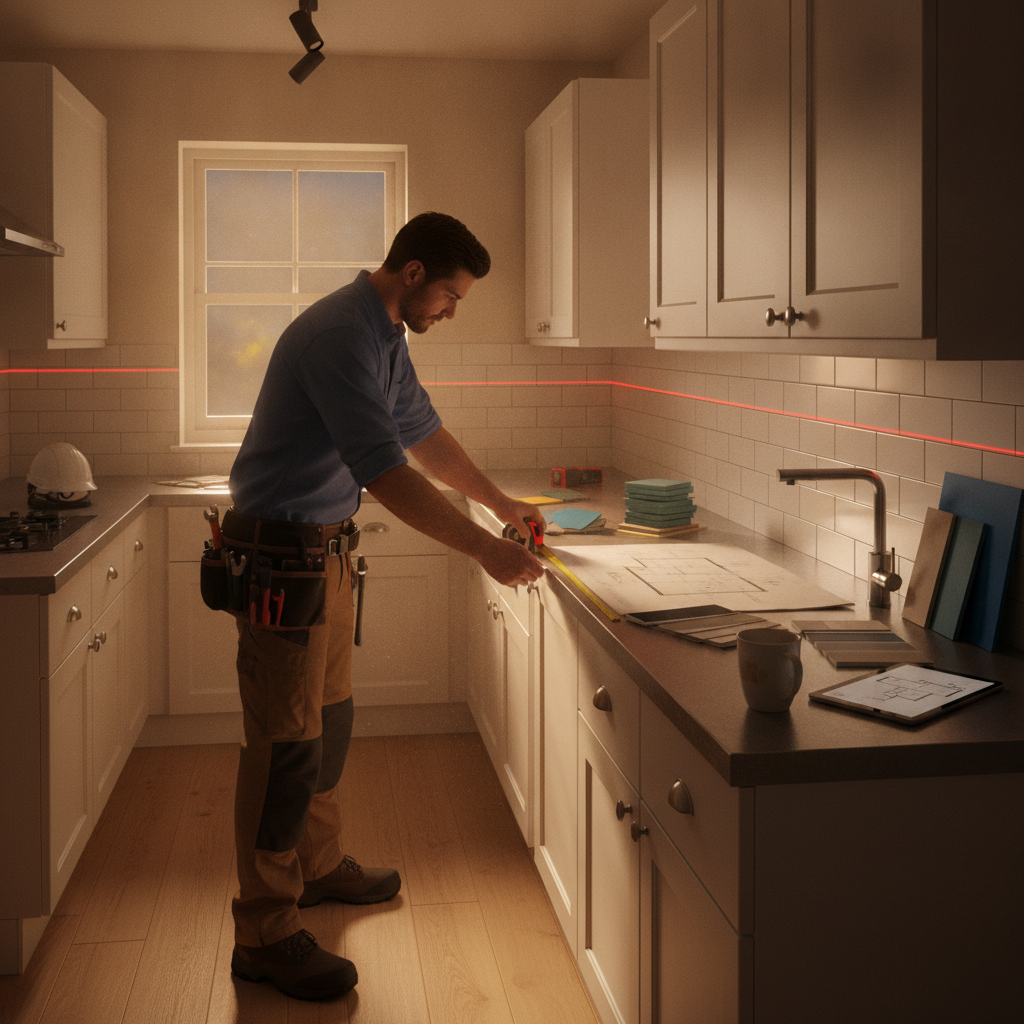
Plan your budget kitchen reno by protecting what works, prioritizing high-impact upgrades, and sequencing trades. Keep layout when possible, refresh cabinets, and add layered lighting. The result is a brighter, easier, safer kitchen without unnecessary demolition or downtime.
What should I update first in a small kitchen?
Start with paint, lighting, and hardware. These touch nearly every sightline and daily task. If cabinets are solid, a professional repaint or re-door makes a dramatic difference. Then address backsplash and faucet to finalize the new tone and function.
Can I keep my layout and still get a big change?
Yes. If your work triangle and clearances function well, keep them. Swap in stronger lighting, repaint cabinets, and update surfaces. Most of the perceived change in small kitchens comes from color, texture, and light, not moving walls or utilities.
Which tasks should I leave to licensed pros?
Electrical work, counter templating, and complex plumbing should be done by licensed trades. Under-cabinet LED wiring, GFCI protection, and precision countertop installs benefit from pro tools and experience. Finishes like paint, hardware, and some tiling can be DIY with prep.
How do I keep my kitchen usable during the project?
Phase the work and set up a temporary prep zone with a portable cooktop and clear sink access. Protect floors, mask vents, and schedule trades tightly. Painting and hardware can happen first; plan tile and counters once cabinets are fixed and aligned.
Conclusion and next steps
A smart, budget-savvy kitchen renovation prioritizes impact over demolition. Keep a working layout, refresh cabinets, layer lighting, and update key surfaces. With clean sequencing and code-conscious execution, you’ll get a brighter, easier kitchen—fast.
Key takeaways
- Protect what works; move utilities only for major functional wins.
- Paint, hardware, lighting, backsplash, and counters drive the biggest change.
- Sequence tasks to reduce downtime and avoid rework.
- Use durable, easy-clean materials to lower lifetime maintenance.
- Lean on licensed pros where safety or precision matters.
Action steps
- Walk your kitchen, list must-haves, nice-to-haves, and constraints.
- Pick a path: refresh, partial retrofit, surface-forward, or phased.
- Lock finish choices early; confirm lead times for doors and counters.
- Plan sequencing with trades—or talk with our team to map a clean path.
Ready to move from ideas to a finished space? Book a discovery conversation for ON and Ontario projects—we’ll shape a scope that fits your timeline and vision.