The cost of new home construction is the full investment to plan, permit, and build a house—from sitework and structure to systems and finishes. In ON and across the GTA, it depends on design complexity, lot conditions, code requirements, and materials. Early scope clarity and coordinated trades keep budgets predictable and schedules on track.
By Deepanshu Oberoi · Deeroi Constructions · Last updated: 2026-06-25
At a Glance
New home cost is shaped by scope, site conditions, permits, structure, mechanical systems, and finish selections. Align your design with a target budget early, lock critical choices, and work with a coordinated general contractor to control variables, reduce change orders, and protect your construction timeline.
Building a new home feels complex because many decisions stack up fast. A clear path simplifies it. At Deeroi Constructions, we invite you to bring the address, scope, and deadline; our team prices the work, plans the trades, and moves the project from idea to a finished space with a coordinated construction plan.
- Primary drivers: lot conditions, design complexity, structure, MEP (mechanical, electrical, plumbing), and finishes.
- Hidden drivers: permitting timelines, inspections, site access, long-lead items, and change control.
- Best control levers: early selections, realistic allowances, value engineering workshops, and disciplined procurement.
- Outcome: fewer surprises, steadier schedule, and higher finish quality.
What Is the Cost of New Home Construction?
The cost of new home construction covers soft costs (design, permits, surveys) and hard costs (sitework, structure, building systems, and finishes). A realistic plan includes allowances for selections, a contingency for unknowns, and a change-control process to keep scope and schedule aligned.
Think of the investment in four buckets that work together. Understanding each helps you plan a smarter project and avoid mid-build surprises.
Core cost buckets
- Soft costs: design and engineering, energy modeling, permits, inspections, and required surveys or reports.
- Site and structure: excavation and grading, foundation system, structural framing (stick, engineered lumber, or steel), and exterior envelope.
- MEP systems: electrical service and distribution, plumbing supply and drainage, HVAC equipment and ductwork, and life-safety elements.
- Finishes and fixtures: insulation and drywall, flooring, millwork and cabinetry, tile and counters, paint, lighting, and plumbing fixtures.
Allowances and selections
- Allowances: placeholders for yet-to-be-finalized selections (e.g., appliances, plumbing trim). When you confirm choices, numbers get updated and locked.
- Selections: your detailed picks—doors, windows, flooring, cabinetry, counters, lighting, tile—that set both look and lifecycle durability.
In our experience delivering custom homes and major residential upgrades across the GTA, well-structured allowances prevent scope creep. We translate design intent into a selections schedule so vendors can quote against consistent specifications.
Why Careful New Home Cost Planning Matters
Disciplined planning reduces change orders, protects schedules, and improves finish quality. When design intent, selections, and logistics are clarified early, your contractor can sequence trades, order long-lead items, and maintain momentum from excavation to handover.
Here’s the thing: cost is not just materials and labor. It’s also coordination. Miss one early decision—like window sizes or panel locations—and downstream rework affects framing, electrical, and finishes. Thoughtful planning keeps the dominoes upright.
- Fewer change orders: locked selections limit midstream scope shifts.
- Schedule protection: ordering long-lead windows, doors, and fixtures early keeps critical path tasks moving.
- Quality assurance: clear details prevent on-site guesswork and protect finish integrity.
- Inspection readiness: code-aware planning streamlines approvals and reduces re-inspection delays.
We’ve found that owners who align design and budget before permit achieve smoother builds. Our intake—address, scope, and deadline—kicks off pricing, trade planning, and a realistic schedule that carries through to finishes.
How the Cost of New Home Construction Comes Together (Phase by Phase)
Costs accumulate across phases: preconstruction, sitework and foundation, framing, MEP rough-ins, insulation and drywall, finishes, and commissioning. Each phase has specific drivers and control levers. Building with a clear sequence and proactive procurement reduces risk and protects budget.
Typical phases and drivers
- Preconstruction: surveys, engineering, energy measures, permit applications, selections roadmap, and baseline schedule.
- Sitework and foundation: excavation, soil management, drainage, formwork, waterproofing, and foundation inspections.
- Framing and shell: structural lumber or steel, sheathing, windows, roof assembly, and weather barrier continuity.
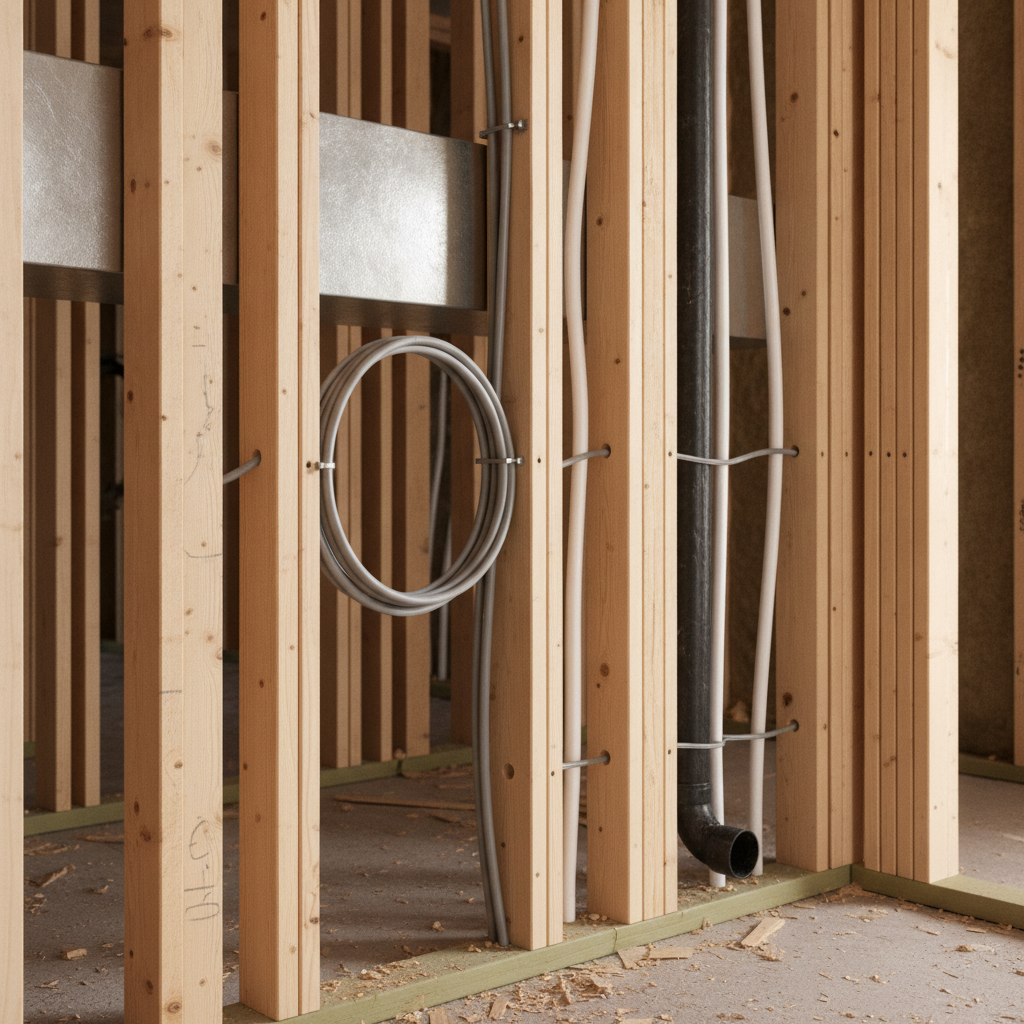
- MEP rough-ins: electrical panel and runs, plumbing supply and waste, HVAC equipment and duct layout, and ventilation.
- Insulation and drywall: thermal and air control layers, sound attenuation, drywall hang and finish.
- Interior and exterior finishes: flooring, cabinetry and millwork, tile and counters, paint and trim, exterior cladding and details.
- Commissioning and closeout: fixture trim-out, lighting and controls, appliances, testing, walkthroughs, and handover documentation.
Process table: drivers vs. control levers
| Phase | Primary cost drivers | Deeroi control levers |
|---|---|---|
| Preconstruction | Design scope, permit scope, energy measures, selections depth | Scope alignment workshops, permit pathfinding, selections schedule |
| Site & foundation | Soils, groundwater, foundation type, waterproofing level | Site logistics plan, drainage strategy, waterproofing detail library |
| Framing & shell | Structural system, spans, window/door package, roof geometry | Value engineering, coordinated openings, early window ordering |
| MEP rough-ins | Equipment sizing, layout efficiency, code-driven clearances | Model-based coordination, right-sizing equipment, trade huddles |
| Drywall & insulation | R-value targets, air sealing, finish level | Mockups, blower-door targets, finish level definitions |
| Finishes | Cabinetry details, tile patterns, lighting count, trim complexity | Allowances matrix, shop drawings, room-by-room punch planning |
| Closeout | Testing, adjustments, documentation | Commissioning checklists, O&M package, homeowner orientation |
When working with homeowners in ON and the GTA, we structure the schedule around inspection gates and long-lead items so work flows cleanly from excavation to finishes with minimal idle time.
Types and Methods That Influence Budget
Delivery model, structural system, energy strategy, and finish tier shape your new home’s budget. Choose a build approach that pairs your design goals with efficient construction. Early trade input helps balance performance, aesthetics, and long-term maintenance.
Delivery models
- Design–bid–build: Architect completes drawings, then contractors bid. Clear separation can work well with fully detailed documents and stable scope.
- Design–build (GC-led): One team aligns design and construction. Faster feedback loops, earlier cost visibility, and coordinated detailing reduce downstream changes.
Structural systems
- Conventional wood framing: cost-effective, flexible, widely understood by local trades.
- Engineered lumber: longer spans, straighter members, consistent performance for open plans.
- Hybrid or steel: strategic steel for large openings or unique geometries, coordinated for thermal bridging and finishes.
Energy and envelope
- Code-minimum: meets required performance with standard assemblies.
- High-performance targets: tighter air-sealing, upgraded windows, and HVAC efficiency improve comfort and reduce operating costs over time.
Finishes and custom features
- Cabinetry and millwork: custom designs, feature walls, and built-ins add craft and function.
- Tile and counters: material selection, layout complexity, and edge details influence effort and result.
- Lighting: fixture quality and circuiting strategy affect both mood and maintenance.
Our portfolio includes turnkey interiors—bars, lounges, millwork, lighting, and finish packages—that translate well to custom homes. The same coordination we apply in restaurants and banks ensures your residence gets clean, durable, code-conscious execution.
Best Practices to Control New Home Costs
The most reliable builds start with clear scope, early selections, and disciplined change control. Use allowances wisely, order long-lead items early, and hold short, frequent coordination huddles with trades. Document decisions and inspect work-in-place to maintain quality and momentum.
Practical steps we recommend
- Define the must-haves: clarify non-negotiables like bedroom count, kitchen layout, and storage needs before design iterates.
- Right-size the structure: simplify spans and geometries where possible to reduce material and labor intensity.
- Create a selections schedule: list fixtures, finishes, and appliances with decision deadlines tied to procurement.
- Use an allowances matrix: set placeholders where choices are pending; review and lock them as you finalize.
- Value engineering workshop: evaluate alternatives (framing, windows, HVAC) for performance, maintenance, and lead time.
- Long-lead procurement: order windows, exterior doors, specialty fixtures, and custom cabinetry early to protect the critical path.
- Trade coordination huddles: align electricians, plumbers, and HVAC installers weekly during rough-in phases.
- Quality benchmarks: mock up tile patterns, millwork joints, and paint finishes so expectations are visible and shared.
- Document control: keep drawings, RFIs, and selection sheets current so the site team always builds from the latest set.
- Change control: if scope changes, capture it in writing with impacts to schedule and allowances before work proceeds.
- Logistics and protection: plan site access, staging, and protection to keep installed finishes safe as work progresses.
- Closeout readiness: track punch items by room and sequence final cleans to deliver a move-in-ready home.
These practices stem from our commercial and residential work across Ontario. They translate into smoother inspections, clearer expectations, and fewer mid-project surprises.
Tools and Resources That Improve Budget Clarity
A structured toolkit—scope sheet, selections schedule, allowances matrix, milestone estimates, and procurement register—keeps everyone aligned. When owners can see decisions by date, the build moves faster with fewer changes and steadier costs.
- Scope and spec sheet: a plain-language summary of rooms, systems, and finish levels that drives drawings and quotes.
- Selections schedule: a living list of fixtures and finishes with decision deadlines, vendor info, and submittal status.
- Allowances matrix: transparent placeholders that convert to fixed numbers once selections are approved.
- Milestone estimates: updates at major design checkpoints to keep scope and budget synchronized.
- Procurement register: tracks lead times and delivery windows for critical items like windows, doors, and cabinetry.
- Quality checklists: room-by-room standards for waterproofing, air-sealing, and finish tolerances.
For context on broader renovation planning frameworks in our market, you can review publicly available guides such as this kitchen planning overview and a full-home renovation planning guide. While focused on renovations, the planning discipline translates directly to ground-up homes.
Local considerations for ON
- Account for seasonal sequencing—frost, thaw, and wet months influence excavation, foundation pours, and exterior work windows.
- Build your permit timeline into the schedule; municipal review cycles and inspections vary across the GTA and can affect start dates.
- Plan deliveries around neighborhood access and staging limits; tight sites benefit from just-in-time material drops and clear traffic routes.
Thinking about a custom home in ON or the GTA? Our team coordinates pricing, planning, and trades to give you a clear path from design to keys-in-hand. Share your address, scope, and deadline to start a practical plan.
Explore our residential approach or contact Deeroi Constructions.
Case Studies and Examples (GTA + Ontario)
Real projects show how planning choices affect budget and schedule. Coordinated selections, early procurement, and code-conscious detailing reduce rework and keep momentum. Here are examples that illustrate those levers in action.
Custom residence, Caledon
On a custom residence, our team synchronized structural detailing and window orders early to protect the framing schedule. Clear selections for cabinetry, tile, and lighting helped vendors quote accurately and reduced on-site questions. See photos in our Caledon custom residence portfolio entry.
Whole-home upgrades, Vaughan
We aligned trades on a tight sequencing plan: electrical and plumbing rough-ins mapped to cabinet shop drawings and appliance specs. This kept walls closed on time and protected finish dates. Explore the Vaughan house upgrade highlights.
Residential upgrade, Braidwood
This project prioritized waterproofing standards in wet areas and detailed millwork coordination to achieve clean lines at transitions. The result: durable finishes and consistent sightlines. View the Braidwood home upgrade gallery.
We bring the same coordination used in restaurants and banks—feature walls, millwork, lighting, and finish packages—to residential work, delivering clean, durable results. For an example of complex sequencing in a public-facing space, browse our Etobicoke restaurant build-out.
For broader market context you may also review a regional homebuying guide that outlines considerations around timelines and planning milestones relevant to new construction readiness.
Frequently Asked Questions
These concise answers address common questions about new home construction costs—how to scope, plan, and control them—without discussing pricing. They’re designed for quick reference and confident decision-making.
What’s the fastest way to get a reliable baseline for a new home budget?
Start with a written scope and a selections schedule. Then meet a coordinated general contractor to align design intent, permitting path, and long-lead procurement. That sequence produces a realistic plan you can refine as drawings progress.
How do site conditions affect the cost of new home construction?
Access, soils, drainage, and topography influence excavation, foundation type, and waterproofing details. Planning logistics and confirming the drainage strategy early reduces rework and helps keep the schedule steady.
What’s the difference between allowances and selections?
Allowances are placeholders for items you haven’t finalized yet. Selections are your exact choices—fixtures, finishes, and appliances. As selections lock, allowances convert to fixed numbers and procurement proceeds with confidence.
When should I engage a general contractor for a custom home?
Bring a contractor in during early design. Timely input on structure, MEP, and lead times prevents redraws and lets you order long-lead items—windows, doors, cabinetry—so the build stays on schedule.
How can I reduce the risk of change orders during construction?
Lock critical selections before rough-ins, keep a current drawings set on site, and document any scope change with clear impacts. Short, weekly trade huddles also surface conflicts early, when fixes are simple.
Conclusion: Build Smarter, With Fewer Surprises
The cost of new home construction stays predictable when you align design and budget early, lock key selections, and coordinate trades. A clear plan—from permit path to procurement—turns a complex process into a steady sequence with cleaner finishes and a confident handover.
Key takeaways
- Define scope and finish levels early; let them guide drawings, quotes, and procurement.
- Use a selections schedule and allowances matrix to reduce scope creep.
- Order long-lead items early to protect the critical path.
- Hold short, regular trade huddles to prevent rework.
- Document changes and quality benchmarks so everyone builds the same vision.
Next steps
- Gather your address, scope, and target timeline.
- Review our residential services overview and custom home case study.
- Connect with our team to align design, permitting, and procurement into a clear build plan in ON and the GTA.
Ready to plan your custom home in ON? We’d be glad to walk your site, organize the scope, and coordinate a clean, code-conscious build from start to finish.