The construction of an office building is the coordinated process of planning, designing, permitting, and delivering a safe, efficient workplace from shell to fit-out. In ON, Canada, owners rely on a general contractor to manage trades, sequencing, and inspections so the office opens on time and meets code without rework.
By Deepanshu Oberoi — Deeroi Constructions
Last updated: 2026-06-13
Quick Summary
Office building construction moves through five core phases: due diligence, design, approvals, build, and turnover. Success depends on clear scope, disciplined scheduling, and early coordination of structure, MEP, and interiors. Owners reduce delays by fixing decisions early, documenting changes, and empowering a single accountable general contractor.
Here’s what you’ll learn in this complete guide tailored for Ontario/GTA owners and facility leaders:
- What “construction of an office building” includes from shell to fit-out
- How delivery models (design-bid-build, design-build, CM at Risk) differ
- Seven high-impact mistakes to avoid on your next office build
- Best practices Deeroi Constructions uses on GTA/Ontario projects
- Checklists for preconstruction, permitting, and closeout
What Is the Construction of an Office Building?
Construction of an office building covers site due diligence, architectural and engineering design, permitting, structural and envelope work, MEP systems, and interior fit‑out. It ends when the space is commissioned, inspected, and ready for occupancy with life-safety, accessibility, and performance requirements satisfied.
In practice, the term spans two tracks: ground‑up (sitework, structure, envelope) and tenant fit‑out (MEP distribution, partitions, finishes, and systems). Many Ontario projects combine both, especially when owners control a full floor or building and want a turnkey handover.
Scope elements every owner should recognize
- Shell and core: foundations, structure, exterior walls, roof, vertical transportation.
- Building systems: mechanical, electrical, plumbing, sprinklers, low‑voltage, controls.
- Interior fit‑out: partitions, doors/frames, ceilings, millwork, flooring, glazing, paint.
- Life-safety: fire alarms, exits, emergency lighting, egress paths, signage.
- Commissioning: testing, tuning, documentation, and training for operations.
At Deeroi Constructions, we deliver offices with the same clean, code‑conscious finish we apply to commercial build‑outs across the GTA. Our portfolio spans banks, retail, and institutional spaces, so we understand durability and compliance under real‑world foot traffic.
Why Office Construction Quality Matters
High‑quality office construction protects safety, preserves schedules, and supports productivity. Durable finishes and well‑coordinated MEP reduce callbacks and downtime, while code‑compliant layouts and life‑safety systems ensure your certificate of occupancy isn’t delayed at turnover.
Build quality shows up in comfort metrics, such as even temperatures, proper lighting, and acoustic control. It also drives brand perception—lobbies, feature walls, and reception millwork are the first impression employees and clients experience.
Benefits owners feel on day one
- Faster occupancy: fewer inspection fails and punch‑list repeats.
- Lower maintenance: resilient flooring, protected wall bases, clean ceiling grids.
- Worker comfort: balanced airflows, glare‑managed lighting, quiet rooms.
- Flexibility: modular partitions and accessible ceilings for future changes.
- Credibility: a polished space signals operational excellence to staff and clients.
We carry institutional discipline from schools and banks into offices. The same approach that keeps classrooms and teller lines durable informs conference rooms, open offices, and break areas.
How Office Building Construction Works (Phases)
Office projects follow a predictable arc: discovery, design, approvals, build, and turnover. Owners win by locking decisions early, sequencing long‑lead items, and coordinating structure and MEP with interiors before work starts onsite.
Phase breakdown
- Discovery & due diligence: program needs, test fits, base‑building review, schedule, risks.
- Design: architectural layouts, engineering (MEP/structural), specs, and permit drawings.
- Approvals: submissions, reviews, landlord coordination, and pre‑start inspections.
- Build: mobilize, demo, framing, rough‑ins, drywall, ceilings, finishes, commissioning.
- Turnover: final inspections, training, manuals, warranty handoff, and closeout.
Process and responsibilities
| Phase | Primary Outputs | Lead Party |
|---|---|---|
| Discovery | Program, risk log, target dates | Owner + GC |
| Design | Plans, specs, coordination sets | Architect/Engineers |
| Approvals | Permits, landlord consent | GC + Consultants |
| Build | Installed work, QA/QC records | GC + Trades |
| Turnover | CO, training, warranties | GC + Owner |
Coordinating MEP above ceilings is where schedules hold or slip. Tight routing of ductwork, sprinklers, and conduits prevents clashes and rework across entire floors.
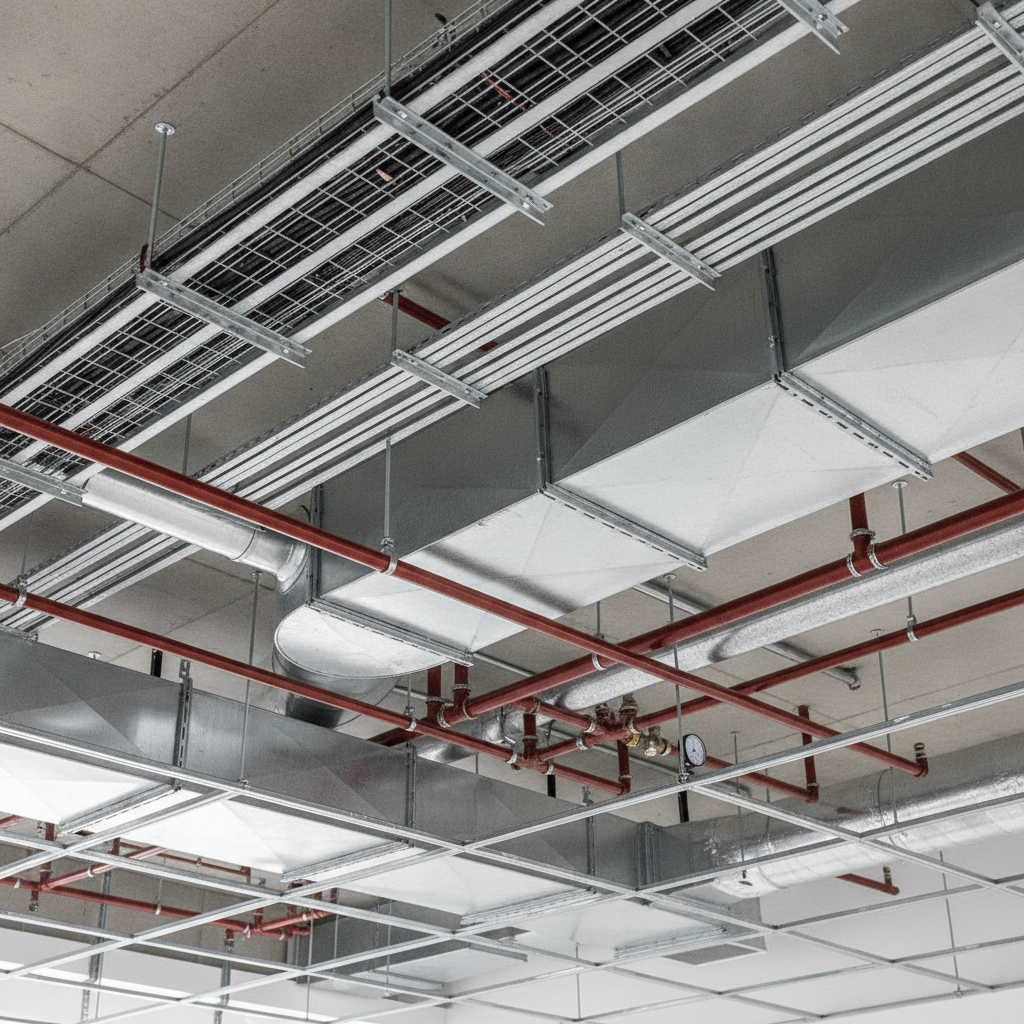
For a plain‑English overview of construction sequencing, this building construction guide outlines common workflows and checkpoints owners should expect during delivery.
Delivery Methods: Which Approach Fits Your Office?
Choose a delivery method based on speed, risk tolerance, and design control. Design‑bid‑build separates design and construction for price transparency. Design‑build unifies both for speed. CM at Risk blends collaboration with a guaranteed outcome under one accountable manager.
| Method | Owner Priorities | Pros | Trade‑offs |
|---|---|---|---|
| Design‑Bid‑Build | Competitive tender, clear roles | Transparent bids; familiar to landlords | Longer timeline; late constructability input |
| Design‑Build | Speed, single point of accountability | Faster delivery; fewer handoffs | Less direct design control unless structured |
| CM at Risk | Early cost/schedule insight + GMP | Precon support; collaborative coordination | Owner still involved in trade selection |
Deeroi Constructions operates effectively under all three, from collaborative design‑assist for banks and schools to streamlined design‑build for retail and restaurants.
Permitting, Inspections, and Code Conscious Execution
Successful office builds document life‑safety and accessibility early, submit complete drawings, and schedule inspections against milestones. Coordinated shop drawings and pre‑inspections reduce failed visits and keep the critical path intact.
What we plan for in Ontario/GTA projects
- Complete submittals: architectural, MEP, fire‑alarm, sprinkler, accessibility details.
- Pre‑install meetings: align trades on routing, clearances, and sequences.
- Inspection playbook: rough‑in, above‑ceiling, and final walkthrough checklists.
- Life‑safety first: exits, emergency lighting, and fire separations validated before finishes.
For owners new to commercial delivery, this practical commercial renovation guide explains how coordinated documentation and early trade input help avoid backtracking during inspections.
Types and Approaches to Office Projects
Office work falls into four patterns: ground‑up buildings, full‑floor fit‑outs, partial renovations in occupied spaces, and adaptive reuse of existing structures. Each has distinct logistics, phasing, and risk profiles owners should plan for.
Common scenarios
- Ground‑up: structure and envelope with later tenant fit‑out; crane, hoists, laydown.
- Full‑floor fit‑out: new partitions, MEP distribution, ceilings, glazing, and finishes.
- Live‑environment renovation: nights/weekends, dust/odor control, and phased turnovers.
- Adaptive reuse: convert retail/industrial to office; structural and egress reviews.
We bring the same finish rigor we use on restaurant front‑of‑house—bars, feature walls, and custom millwork—into reception areas and collaboration zones in offices. See our Mehfil Etobicoke and 7 Spice Brampton interiors for craftsmanship that translates cleanly to corporate lobbies.
7 Office Build Mistakes That Waste Time and Drain Cash
Seven avoidable mistakes derail office projects: vague scope, late decisions, missing coordination, weak site logistics, untracked changes, incomplete inspections, and rushed closeout. Fix these and you protect schedule, quality, and team morale.
- Starting with a fuzzy scope
Without a room‑by‑room program and finish matrix, drawings drift and RFIs multiply. Action: publish a one‑page scope charter and finish schedule everyone signs. - Late furniture/IT decisions
Desk sizes, power drops, and AP locations drive partitioning and MEP. Action: lock furniture and low‑voltage layouts before framing starts. - Skipping above‑ceiling coordination
Unplanned duct crossings and sprinkler conflicts force rework. Action: hold a ceiling coordination meeting with marked‑up plans before rough‑in. - Weak site logistics
Staging, hoists, and material flow dictate productivity. Action: post a logistics plan showing deliveries, waste routes, and protection zones. - Unmanaged change
Verbal tweaks snowball into scope creep. Action: use a simple change log with impact notes and approvals captured the same day. - Inspection surprises
Failing at rough‑in or finals resets the clock. Action: pre‑inspect using the jurisdiction’s checklist and photo‑document key items. - Rushed closeout
Missing O&M manuals and training hurt day‑two operations. Action: build your turnover binder in parallel with construction, not after.
Our teams prevent these issues by sequencing decisions in preconstruction, then auditing execution weekly against a living risk log.
Best Practices Deeroi Uses on Ontario Office Builds
The most reliable office builds pair clear scope with disciplined planning: finalize decisions early, mock up critical details, and track progress visibly. Weekly coordination and tidy sites deliver cleaner installs and fewer punch items.
Execution habits that compound
- Two‑week look‑aheads: align trades, inspections, and long‑lead deliveries.
- Field‑ready drawings: issue marked‑up plans with dimensions and details.
- Mockups: test door frames, glazing, and millwork finishes before rolling out.
- Protection: floor/wall guards reduce rework in corridors and lobbies.
- Photo QA: capture in‑wall MEP, firestopping, and blocking before close‑up.
- Clean handoffs: stage rooms for inspections with lighting and devices powered.
These are the same practices we apply in retail and bank programs, where uptime and durable finishes are non‑negotiable. Explore our residential and custom homes work to see finish quality that carries into executive suites and boardrooms.
Tools, Templates, and Resources for Owners
Owners stay in control with simple tools: a scope charter, a decision register, a logistics plan, and an inspection checklist. These four documents cut noise, align teams, and keep approvals on pace.
- Scope charter: one page listing rooms, seat counts, and finish levels.
- Decision register: tracks selections for furniture, lighting, IT, and signage.
- Logistics plan: maps deliveries, waste routes, and protection zones.
- Inspection checklist: rough‑in, above‑ceiling, and final walkthrough items.
- Weekly dashboard: milestone burndown, change log, risk list, and punch status.
For additional owner‑friendly context on coordinating trades and schedules, this practical construction coordination overview highlights strategies to reduce delay risk.
Considering an office build or major renovation in Ontario? We manage scope, trades, and finish quality from first walkthrough to handover—so your team can move in without surprises. See our commercial build‑outs and contact us to start planning.
Case Studies and Examples
Real projects prove process. We use restaurant‑grade finishes and institutional discipline to deliver offices that open cleanly, pass inspections, and look sharp on day one.
Hospitality‑level finishes in office settings
Our team’s front‑of‑house restaurant experience—feature walls, custom millwork, glass, and lighting—translates directly to lobbies and lounges. See Mehfil Etobicoke and Royal Garden Oakville for examples of millwork and lighting ensembles that elevate guest experience—equally at home in a corporate reception.
Program rigor from banks and institutions
Institutional schedules demand phasing and clean turnovers. We bring that rigor to office interiors, sequencing inspections and protection so halls and meeting rooms stay day‑one ready. Explore our commercial portfolio and 7 Spice Brampton to see our construction path from idea to finished space.
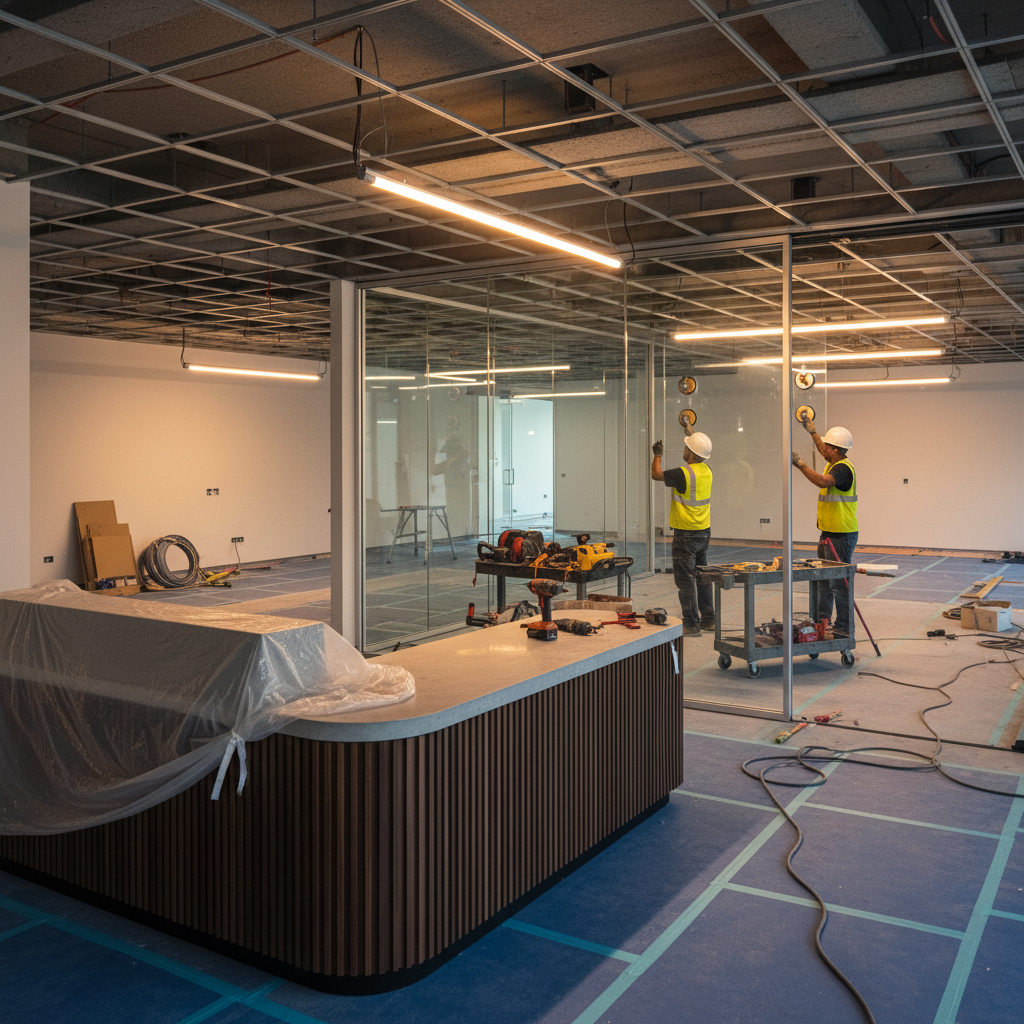
Custom homes discipline applied to executive suites
High‑touch details from custom homes in the GTA—doors, trim, and built‑ins—inform boardrooms and private offices. That’s why our executive areas feel finished on day one, not after months of punch lists.
Local considerations for ON
- Sequence noisy or high‑dust activities to off‑hours when renovating in occupied buildings; it keeps adjacent tenants productive and inspections smoother.
- Plan winter protection and staging for entrances; snow and salt quickly damage new flooring without proper guards and door mats.
- Build in landlord coordination time; many towers require specific permits and booking windows for hoists, waste, and after‑hours work.
Frequently Asked Questions
Owners ask about timelines, delivery methods, inspections, and how to minimize disruption. The core advice: lock scope early, pick a delivery model that fits your risk tolerance, and assign one accountable general contractor to coordinate trades and approvals.
What are the main phases of an office build?
Discovery, design, approvals, build, and turnover. You’ll define scope and risks, complete drawings, secure permits and landlord consent, then execute demolition, framing, MEP rough‑ins, finishes, commissioning, and final inspections before move‑in.
Which delivery method is best for office construction?
If you value speed and a single accountable partner, design‑build often wins. For detailed design control and competitive tendering, design‑bid‑build fits. CM at Risk blends collaboration with guaranteed outcomes; it’s useful when you want preconstruction input before final pricing.
How do I avoid delays during inspections?
Schedule rough‑in and above‑ceiling pre‑inspections with your contractor, use jurisdictional checklists, and photo‑document compliance before covering work. This reduces failed visits and keeps the critical path intact.
What’s the difference between ground‑up and fit‑out?
Ground‑up includes structure and envelope, then interiors. Fit‑out modifies an existing shell—distributing MEP, building partitions and ceilings, and finishing surfaces. Many projects combine both when an owner controls a full floor or building.
Key Takeaways
Define scope early, coordinate MEP above ceilings, and pick a delivery method that matches your priorities. Use a decision register, logistics plan, and inspection checklists to keep teams aligned and the schedule on track.
- Lock decisions before framing; late furniture/IT choices ripple into rework.
- Run above‑ceiling coordination meetings to prevent clashes and delays.
- Choose delivery method for speed vs. control: DB, DBB, or CM at Risk.
- Stage inspections with pre‑checks and photo documentation.
- Build the turnover binder during construction—not after.
Want a practical primer on planning and coordination? This concise permits and process overview illustrates how complete documentation streamlines approvals—principles that carry into commercial office work.
Ready to start? Our Ontario‑based team manages scheduling, coordination, and finish quality across offices, banks, retail, and institutions—bringing your address, scope, and deadline to a clean handover. Visit our commercial construction page to connect.