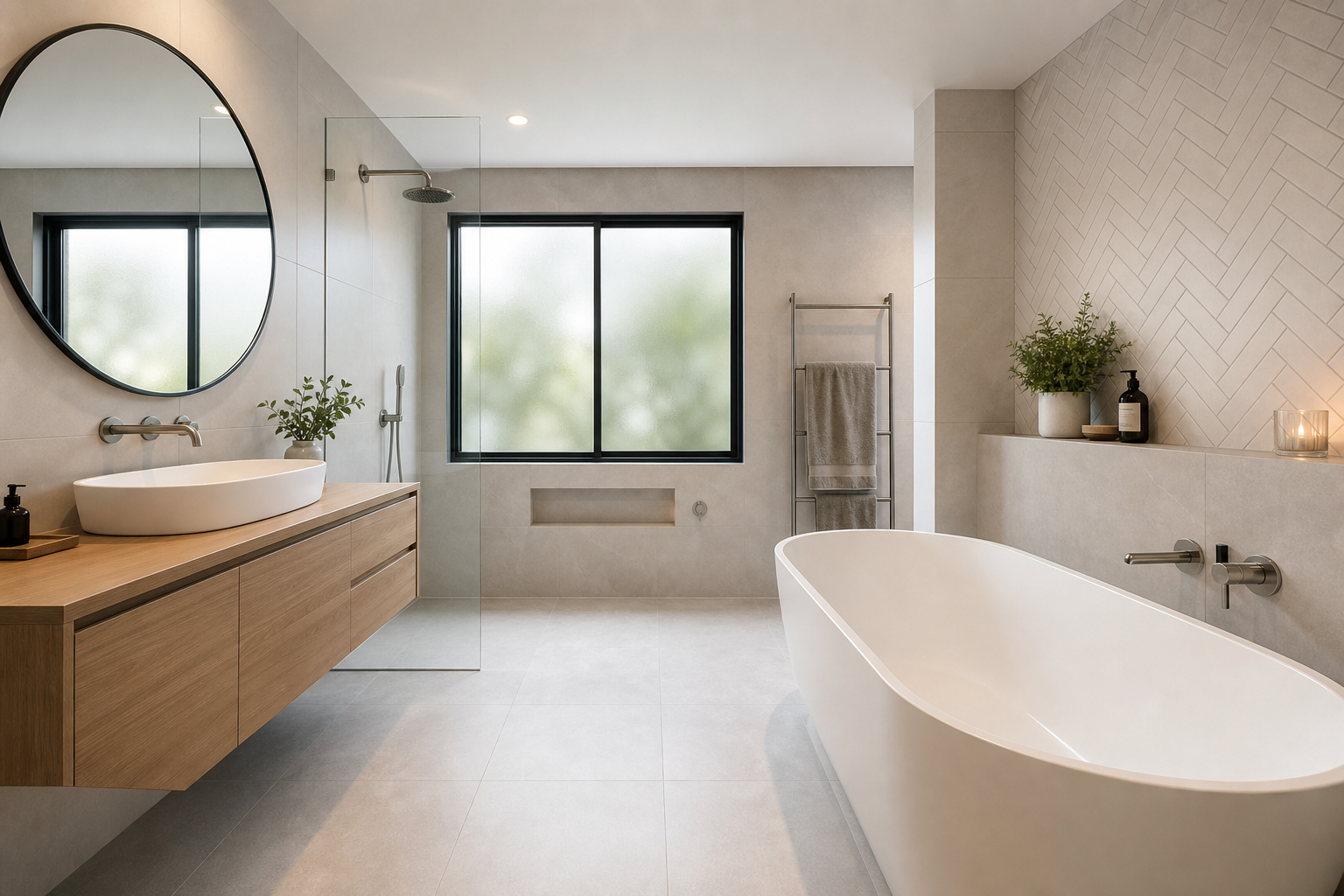
Bathroom renovations quote: what to include, compare, and confirm
If you want a bathroom that looks great, works reliably, and stays dry behind the walls, the process starts with the right paperwork. A thorough bathroom renovations quote helps you understand what you’re buying, what could change the price, and how long the work will take. This guide shows you exactly what to provide to contractors, how to compare competing bids, and what to confirm before you sign.
When to seek a bathroom renovations quote
Ask for a quote when you have a basic vision and a few non-negotiables decided. You don’t need finished drawings to start, but you should be ready to share clear goals, photos, and measurements. Requesting a quote is useful when you:
- Know which bathroom will be renovated and how you want to use it (family bath, ensuite, accessible layout, guest bath).
- Have saved example photos or links that show your desired look and finish level.
- Understand major features you want to keep or move (tub vs. shower, vanity size, toilet location).
- Can provide approximate dimensions and note any known issues (soft floors, past leaks, weak water pressure).
- Have an ideal start window and any deadline you need to hit.
With these basics, contractors can price more accurately and flag anything that might affect the budget or schedule.
Information contractors need for an accurate quote
Well-scoped inputs lead to well-scoped bids. Share the following with each contractor so quotes are based on the same facts:
- Photos and a simple floor sketch with measurements (lengths, widths, ceiling height).
- Plumbing and electrical notes: current fixture locations, number of circuits, GFCI outlets, ventilation fan size and route, and any panel constraints.
- Fixtures and finishes list (even provisional): shower type, tub style, toilet, vanity width, sink style, countertop material, tile size and pattern, lighting type, mirror and medicine cabinet needs, accessories (towel bars, grab bars).
- Waterproofing preference: sheet membrane, liquid membrane, or foam board systems for wet areas.
- Demolition scope: what stays, what goes, and who handles disposal.
- Special requirements: accessibility clearances, heated floors, steam shower prep, niche counts and sizes, custom glass, or built-ins.
- Site constraints: condo rules, elevator bookings, parking, working hours, and material delivery access.
- Timeline targets: earliest start, target completion, and any blackout dates.
Providing the same packet to each bidder keeps your bathroom renovations quote responses consistent and easier to compare.
How to compare bathroom renovation quotes
Price matters, but alignment on scope, methods, and materials matters more. Use this side-by-side checklist when reviewing bids:
- Scope match: Does each quote include the same demolition, framing, plumbing, electrical, drywall, tile, painting, and finish carpentry? Are shower doors, mirrors, and accessories included or excluded?
- Waterproofing and substrate: Which system is specified for the shower and tub surround? What backer board or membrane is included under tile and on floors?
- Tile setting details: Mortar type, grout type (cement, epoxy), movement joints, and layout complexity (herringbone, stacked, brick pattern).
- Plumbing rough-ins: Are fixture relocations included? Are shutoff valves, supply line upgrades, and drain size changes part of the price?
- Electrical scope: New circuits or GFCI/AFCI updates, fan upgrade and ducting, vanity lighting locations, dimmers, and smart controls.
- Ventilation: Fan CFM rating, noise rating, backdraft damper, and whether venting goes outside.
- Subfloor and framing: Leveling or sistering, shower pan build or preformed base, and any structural allowances.
- Allowances and selections: Dollar allowances for fixtures, tile, and vanity—or confirmation that you’re supplying them yourself.
- Permits and inspections: Who applies and pays, and what inspections are required for your scope.
- Schedule: Start date, estimated duration, sequencing, and dependencies (e.g., glass lead times after tile is complete).
- Cleanup and protection: Dust control, floor protection, debris removal, and daily cleanup expectations.
Two bathroom renovations quotes with the same number can still hide big differences. A transparent quote will name products or performance standards (for example, a sheet membrane in the shower, epoxy grout for heavy-use niches, or a specific CFM for ventilation) so you can compare apples to apples.
Define scope and specs so the number sticks
Ambiguity is the fastest way for a quote to change later. Lock down your scope and specifications early:
- Layout: Provide a simple plan with fixture dimensions and clearances. Note door swings and any widened openings.
- Wet areas: Specify shower size, curb or curbless, drain type (center vs. linear), niche locations, bench type, and glass style (framed vs. frameless).
- Finishes: Tile sizes and patterns, grout colour, vanity finish, hardware style, mirror size, and accessory placements.
- Systems: Waterproofing type, heated floor system, fan rating and duct route, lighting types, and switching.
- Performance priorities: Low-maintenance grout, slip-resistant floor tile, anti-scald valves, or quiet ventilation.
If you haven’t chosen exact SKUs, note performance requirements and allow for upgrades. Clear specs reduce interpretation and costly changes after work starts.
Account for site conditions and hidden risks
Bathrooms hide surprises—particularly in older homes or past DIY remodels. A realistic bathroom renovations quote will explain how unknowns are handled. Before signing, ask how the bidder deals with:
- Water damage or mold behind tile and tubs.
- Out-of-plumb walls, unlevel floors, and non-standard framing.
- Old plumbing (galvanized, polybutylene) and venting that needs correction.
- Insufficient electrical service or missing GFCI/AFCI protection.
- Improper or undersized ventilation ducting.
Look for a written process: discover, document, price the fix, and get approval before proceeding. That clarity protects both budget and timeline.
Timeline and coordination: what to expect
A practical schedule keeps the job moving and avoids rework. Ask your bidders to outline sequencing for:
- Demolition, framing, and rough-ins for plumbing and electrical.
- Insulation and drywall or backer board installation.
- Waterproofing and flood testing (if applicable).
- Tile install and curing time before grouting.
- Cabinetry, countertops, glass measurements, and lead times.
- Fixture set, paint, mirrors, accessories, and final silicone.
Good coordination also includes ordering long-lead items early. Custom glass, special-order tile, and vanities with stone tops often determine the critical path. Make sure the bathroom renovations quote states whether lead times are already factored into the schedule.
Budget clarity: allowances, exclusions, and owner-supplied items
Allowances are placeholder amounts for selections you’ll finalize later. They’re useful—but only when they’re realistic and clearly labeled. Ask for your quote to show:
- Line items with the allowance value for each category (tile, vanity, fixtures, glass) and what that value is expected to cover.
- Exclusions such as painting, patching outside the bathroom, new windows, or moving supply lines beyond a certain distance.
- Owner-supplied item responsibilities—who orders, inspects deliveries, stores safely, and manages returns if damaged.
When allowances are low, overruns are almost guaranteed once you pick final materials. Adjust placeholders before you sign so the total reflects your taste.
Contract and handover basics to review
Before authorizing work, make sure the agreement echoes the quote. A clear contract should summarize:
- Final scope, drawings or sketches, and specifications for all major assemblies.
- Payment schedule tied to milestones, not vague dates.
- Change order process with written approvals for scope or price changes.
- Site protection, access rules, and cleanup responsibilities.
- How inspections are scheduled and documented when required.
- Closeout items: as-built notes, product care information, and contacts for follow-up questions.
If your project involves specialized systems like steam showers or heated floors, ask the installer to provide product literature and care guidelines at handover so you can maintain performance over time.
Copy/paste checklist to send with your quote request
Use this short form to keep every bathroom renovations quote consistent. Paste into your email and fill in the blanks:
- Project address: [address]
- Bathroom type: [ensuite / main / powder / guest]
- Room size: [L x W x H]; photos attached
- Layout changes: [none / minor / relocate shower / relocate toilet]
- Wet area details: [shower size, curb/curbless, drain type, niche count and sizes, bench]
- Fixtures: [toilet model, vanity width, sink type, faucet style, shower system]
- Finishes: [tile size/pattern, grout type/colour, countertop material, paint colour family]
- Waterproofing preference: [sheet / liquid / propose]
- Heated floor: [yes/no]
- Ventilation: [current fan CFM/route; desired CFM]
- Electrical: [new vanity lights? additional receptacles? dimmers?]
- Demolition: [full / partial]; disposal: [contractor / owner]
- Allowances requested: [tile $/sf, vanity $, fixtures $, glass $]
- Owner-supplied: [list SKUs or TBD]
- Start window and target completion: [dates]
- Access constraints: [condo rules, elevator bookings, parking, quiet hours]
- Decision date: [when you plan to choose a contractor]
Red flags and green lights in quotes
Reading between the lines matters. Watch for the following:
- Red flags: Vague descriptions (e.g., “standard waterproofing”), missing ventilation details, no mention of substrate prep, unrealistic timelines, or a single lump-sum price with no breakdown.
- Green lights: Named systems for wet areas, clear tile prep steps, measured ventilation plan, realistic lead times for glass and custom items, and a change-order procedure you understand.
FAQ: common questions about requesting a bathroom renovations quote
Do I need finalized product selections before I request a quote?
No. You can begin with photos and performance targets, then use allowances for items you’ll pick later. Just make sure the allowances reflect your taste so the budget doesn’t jump when you finalize selections.
Why do quotes for the same bathroom vary so much?
Differences usually come from scope (what’s included or excluded), installation methods (especially waterproofing and substrate prep), finish quality expectations (tile layout and trim details), and timeline assumptions. Align these elements before you compare price alone.
What should be in the waterproofing section of my quote?
The quote should specify the product type (sheet membrane, liquid-applied, or foam board), where it’s installed (shower walls, pan, niches, bench, and floor areas if applicable), and any testing steps. Clear details help avoid moisture problems later.
How are hidden issues handled once demolition starts?
A good process documents the issue (photos, brief description), provides a priced change order, and waits for your written approval before proceeding. This protects your budget and keeps communication clear.
What timeline should I expect for a typical bathroom?
Timelines depend on scope, selections, inspections, and lead times for items like custom glass. Ask for a task-level schedule that shows sequencing and accounts for curing and ordering windows. The key is transparency, not a one-size-fits-all number.