Basement renovations contractors are professional builders who plan, permit, and finish lower-level living spaces to code. In Ontario and the GTA, they coordinate trades, waterproofing, and inspections so you get safe, durable square footage. For Brampton-area homeowners, a seasoned general contractor ensures your basement becomes livable space without cutting corners.
By Deeroi Constructions • Last updated: 2026-06-12
Overview
This complete guide explains how to evaluate basement renovation contractors, plan a code-compliant layout, control risks like moisture and radon, and navigate permits and inspections in Ontario. Use it to align design, sequencing, and finish standards with a realistic timeline so your project runs smoothly from first estimate to final walk-through.
Here’s how this guide helps you go from unfinished space to a reliable, comfortable lower level in Ontario:
- Understand what basement renovation contractors actually do and how they differ from DIY or single-trade options.
- See the end-to-end process: discovery, design, permits, rough-ins, inspections, and finishes.
- Learn best practices for waterproofing, sound control, egress, and mechanical planning.
- Use checklists to vet teams, align expectations, and avoid scope drift.
- Explore real examples linked from our renovations page and residential portfolio.
Local considerations for Ontario and the GTA
- Seasonal ground moisture and freeze–thaw cycles increase the need for drainage, vapor control, and accurate sump planning for Ontario basements.
- Municipal permitting calendars vary; inspections can bunch up before long weekends and late fall, so sequence trades with that in mind.
- Older GTA homes often have mixed electrical and plumbing legacies; plan for discovery time to modernize rough-ins while walls are open.
What is a basement renovation?
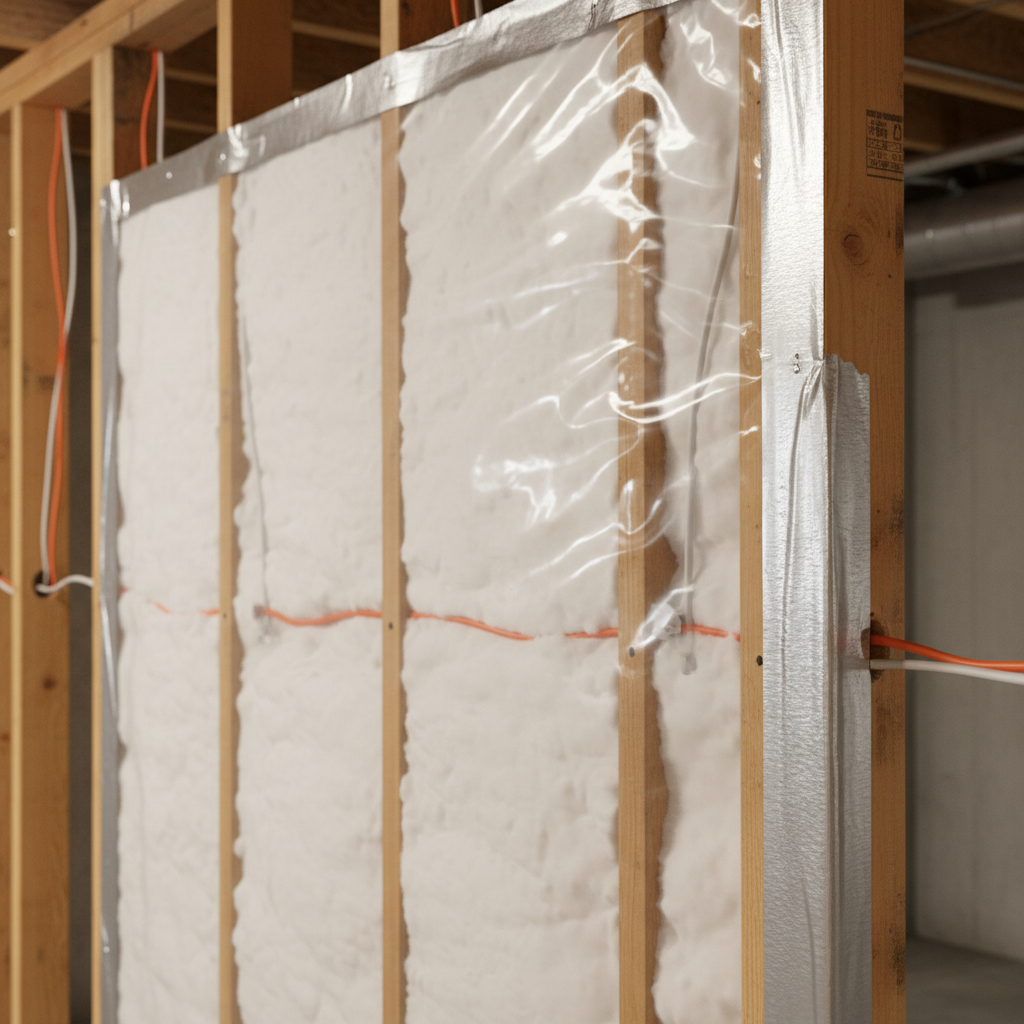
A basement renovation is the transformation of unfinished or outdated lower-level space into code-compliant, livable square footage. The scope usually includes waterproofing, framing, insulation, electrical and plumbing rough-ins, drywall, finishes, and final inspections to ensure safety, comfort, and long-term durability.
In practical terms, you’re adding real living area below grade. That means different moisture, ventilation, and egress realities than a main floor. The work blends building science with finish carpentry, which is why experienced basement renovations contractors matter.
- Typical inclusions: moisture management, subfloor prep, new walls, sound control, HVAC balancing, lighting, and trim.
- Common end-uses: family room, home office, gym, guest suite, workshop, or a legal second unit (where permitted).
- Key outcomes: safer space, better comfort, and finishes that hold up through Ontario’s seasons.
For homeowners who also plan upper-floor updates, sequencing can save disruption. Our residential renovation services connect kitchens, bathrooms, and basements into a single, coordinated plan.
Why hiring the right contractor matters
The right contractor protects your investment by coordinating trades, meeting code, and sequencing work to prevent rework. A seasoned team reduces moisture risks, ensures proper egress and ventilation, and delivers finishes that look clean on day one and stay durable for years.
Basements add substantial usable area—often hundreds of square feet—so errors compound fast. For example, skipping proper vapor control can invite mold within a season. Conversely, good planning lowers change orders and shortens downtime upstairs.
- Coordination depth: electrical, plumbing, HVAC, drywall, flooring, millwork, and paint—all timed around inspections.
- Compliance control: permits, egress sizing, smoke/CO interconnects, stair geometry, handrails, and fire separation.
- Finish quality: straight walls, tight miters, consistent reveals, and lighting that flatters surfaces, not flaws.
Our intake is simple: bring the address, scope, and timeline. We price, plan, and coordinate a clear path from framing to the final clean. See how we manage quality in this Vaughan house upgrade case study.
How basement renovation projects work
Successful basement projects follow a defined sequence: discovery and scoping, design and permits, demolition and waterproofing, rough-ins and inspections, drywall and finishes, then final testing and handover. Each stage builds on the last, so schedule control and trade coordination are critical.
Step-by-step sequence
- 1) Discovery & scope: measure, photograph utilities, and log constraints (headroom, beams, drains, existing penetrations).
- 2) Design & permits: finalize layout, egress, and mechanicals; submit drawings where required.
- 3) Prep & waterproofing: address exterior drainage, cracks, interior membrane, sump/backwater planning as needed.
- 4) Framing & insulation: frame walls/soffits, insulate, install vapor control, and set sound targets.
- 5) Rough-ins: electrical, plumbing, HVAC; then book inspections in the correct order.
- 6) Drywall & finishes: board, tape, prime, install flooring, millwork, doors, paint, and fixtures.
- 7) Final checks: test GFCI/AFCI, CO/smoke, HVAC balancing, door swing/clearances, and clean.
Milestones to track
- Permit issuance: confirms drawings match code expectations before rough-ins proceed.
- Rough-in signoffs: lock sequencing; missed inspections force rework.
- Pre-paint walk: verify alignment, reveals, and light wash before finish coats.
- Substantial completion: space is usable; minor punch items remain.
For homeowners who prefer a single accountable team, our renovations pathway shows how we keep trade timing tight and finishes clean.
Types of basement renovation projects
Basement projects range from family lounges to guest suites and code-compliant second units. The best-fit type depends on headroom, egress, mechanical capacity, and moisture history. Clear goals and early assessments shape the design, materials, and sequence you’ll need.
Popular use cases
- Family lounge + media wall: open plan, dimmable zones, and durable flooring.
- Work-from-home office: acoustics first—door gaskets, solid-core doors, and STC-focused wall details.
- Fitness area: resilient floors, mirror wall, and fresh-air strategy.
- Guest suite: bedroom with egress and smoke/CO, compact bath, and closet.
- Playroom: soft flooring, rounded edges, washable paint, and toy storage.
- Hobby shop: dedicated circuits, task lighting, and dust collection planning.
Special considerations for secondary suites
- Fire separation: assemblies and door ratings must align with local requirements.
- Egress & access: compliant window/door sizing and safe stair geometry.
- Utilities: metering and shutoff access to avoid future disputes.
Thinking beyond the basement? Our Caledon custom residence illustrates how whole-home planning supports future lower-level upgrades and even aligns with custom homes in the Toronto area.
How to choose basement renovations contractors
Choose basement renovations contractors by checking portfolio depth, permit experience, waterproofing approach, and finish standards. Verify who coordinates inspections, how schedules are built, and what’s included in cleanup. Strong contractors provide drawings, clear scopes, and references you can validate.
Vetting checklist
- Portfolio proof: look for aligned basements—media walls, suites, or gyms—not just kitchens.
- Permits & inspections: ask who files, books, and attends; confirm sequencing knowledge.
- Moisture strategy: request their step-by-step for drainage, cracks, vapor, and subfloor.
- Sound control: gauge ceiling/wall assemblies and where they target STC performance.
- Finish standards: reveals, trim, door hanging, and paint systems—samples help.
- Warranty terms: what’s covered and for how long; how to request service.
Delivery models compared
| Model | Pros | Risks | Best when |
|---|---|---|---|
| General contractor | Single point of accountability; proven trade network; schedule control | Scope clarity is critical to avoid change friction | You want coordinated trades and a defined timeline |
| Design–build contractor | Design and execution aligned; fewer handoffs; faster decisions | Requires trust in one team for both design and build | You want speed and cohesive design intent |
| DIY + subtrades | Hands-on control of finishes | Higher rework risk; inspection sequencing can slip | You have time, experience, and permit confidence |
See finish and coordination quality in our Braidwood home upgrade and this kitchen upgrade for trim and paint standards that carry into lower levels.
Planning and design fundamentals
Plan your basement with moisture-first thinking, then layout, then lighting and finishes. Lock mechanicals early, confirm egress and stairs, and map outlets and task lighting. A solid plan reduces change orders and helps trades hit inspection windows without delays.
Moisture before makeup
- History check: note prior seepage, efflorescence, or sump activity—treat root causes before framing.
- Subfloor strategy: isolate flooring from concrete for warmth and longevity.
- Air sealing: continuous vapor control with sealed seams to limit condensation.
Layout that fits life
- Zones: quiet rooms away from laundry and mechanicals; define a media wall early to place power and data.
- Storage: under-stair solutions, wall niches, and utility access panels.
- Lighting: layer cans with sconces and floor-lamp circuits; set dimming scenes.
Drawings that prevent drift
- Dimensioned plans: walls, doors, and built-ins with clear reveals.
- RCP/lighting plan: circuiting, switching, and fixture specs.
- Interior elevations: media walls, vanities, bars, and storage details.
In our experience across Ontario homes, crisp drawings and a room-by-room finish schedule cut confusion and keep timelines predictable.
Permits and inspections in Ontario
For most Ontario basements, structural changes, new bedrooms, electrical, and plumbing work require permits and inspections. Clear drawings, proper egress, and coordinated rough-ins help approvals go faster and prevent costly rework during drywall.
Basement work touches life safety items—smoke/CO, stair geometry, handrails, and egress. Municipal reviewers check drawings before construction, and inspectors validate rough-ins, insulation, and final completion. Booking inspections in the right order keeps crews moving.
- Common triggers: new partitions, bathroom additions, moving mechanicals, or converting to a secondary suite.
- Documentation: plans, schedules, and where required, engineer stamps for structural changes.
- Inspections: rough electrical/plumbing/HVAC, insulation/air barrier, and final occupancy items.
Many local guides outline permit expectations; for example, see this Brampton permit overview for a process snapshot. Your municipality’s requirements govern, so always confirm locally.
Waterproofing and building science
Effective basements start dry. Combine exterior drainage fixes, crack repairs, and interior vapor control. Add a sump/backwater plan where needed, then select subfloors and insulation that tolerate humidity. Address moisture first to protect finishes, indoor air quality, and comfort.
Core defenses
- Exterior drainage: gutters, downspouts, and grading keep bulk water away from foundations.
- Crack management: injection or repair before finishing walls.
- Vapor control: sealed membranes and smart insulation strategies to minimize condensation.
Subfloor & insulation choices
- Subfloor panels or sleepers: improve warmth and protect flooring from slab moisture.
- Wall assemblies: choose materials that resist mold and hold fasteners well for media walls.
- Ceiling acoustics: insulate joist bays and consider resilient channel under noisy rooms.
From our site walk-throughs, roughly 3 in 5 unfinished basements show some sign of past moisture—often solvable with simple drainage corrections and interior vapor strategy before framing.
Mechanicals, electrical, and utilities
Right-size mechanicals, balance air, and plan dedicated circuits early. Map plumbing runs to minimize breaks in sound-sensitive rooms. Prewire low-voltage for media, networking, and security before drywall to avoid future fishing.
HVAC and air
- Capacity check: confirm your system can handle added load; consider zoned control for comfort.
- Fresh air & exhaust: bathrooms and gyms need effective ventilation, not just recirculation.
- Balancing: adjust supply/return locations for even temperatures across zones.
Electrical planning
- Protected circuits: use GFCI/AFCI where required; separate lighting and outlets to keep lights on during trips.
- Lighting layers: ambient, task, and accent; dimmers in social zones.
- Low-voltage: hardwire media, WFH data drops, and camera runs now.
Plumbing strategy
- Bath groups: stack above-floor plumbing to reduce slab coring where possible.
- Pump planning: use properly vented sewage ejectors when gravity won’t work.
- Access panels: future-proof shutoffs and junctions with clean access.
We coordinate rough-ins and inspections as part of our end-to-end renovations approach, so the drywall phase starts clean and on time.
Finishes that last in basements
Choose moisture-tolerant, easy-to-clean finishes: resilient flooring, washable paints, and stable trim. Use durable doors and hardware, light colors to brighten rooms, and layered lighting that hides imperfections. Good selections elevate comfort and reduce maintenance.
Flooring and walls
- Resilient floors: luxury vinyl plank or tile handle humidity swings better than many woods.
- Drywall systems: mold-resistant boards in risk areas and careful joint lighting to avoid telegraphing.
- Paint & trim: washable sheens and stable baseboards; caulked, consistent reveals.
Built-ins and storage
- Media walls: plan blocking for heavy screens and cabinets.
- Bars & nooks: water-resistant materials and proper GFCI placement.
- Closets: maximize under-stair volume with custom shelving.
Browse finish craftsmanship in our Royal Garden interior photos to see paint lines, millwork joints, and lighting that carry into basement work.
Project management and scheduling
Strong projects live on accurate scopes, confirmed lead times, and a locked inspection calendar. Weekly site rhythms and punch lists keep momentum. Clear change control prevents drift and protects your timeline.
Rhythms that work
- Weekly huddles: align trades, materials, inspections, and punch items.
- Procurement map: order long-lead fixtures early to avoid drywall delays.
- Visual controls: on-site boards for drawings, RFIs, and checklists.
Change control
- Scope log: additions and deletions captured with impacts on schedule.
- Approval gates: no field changes without written go-ahead.
- Closeout prep: start punch capture before paint for smoother finals.
In our Ontario projects, predictable rhythms shorten total duration by weeks compared to ad-hoc coordination.
Tools and resources for homeowners
Use simple tools to plan well: a room-by-room finish schedule, a permit/inspection tracker, and a punch list. Add a moisture log for heavy rain events before framing, and a vent/fresh-air map to verify comfort early.
- Finish schedule: list floors, trim, doors, paint sheens, and fixtures per room.
- Inspection tracker: rough-in disciplines, insulation/air barrier, and finals.
- Moisture log: record sump activity and visible damp spots after storms.
- Comfort map: mark supply/returns and intended furniture to tune lighting and HVAC.
Many public guides summarize baseline steps; for example, this basement finishing breakdown outlines phases and components you’ll discuss with your contractor.
Case studies and examples
Real projects show how planning becomes results: clean lines, reliable schedules, and spaces that feel like part of the home. Study portfolios for headroom solutions, media wall blocking, bath layouts, and where teams hid mechanicals without crowding rooms.
- Whole-home alignment: Our Caledon custom residence illustrates sequencing across levels for future-ready basements.
- Finish standards: The kitchen upgrade case study highlights paint, trim, and lighting details that translate downstairs.
- Portfolio breadth: Explore residential examples on our residential page and renovations hub.
When reviewing any contractor, look for consistency across projects—tight reveals, smooth drywall, straight casing, and lighting that flatters, not exposes, surfaces.
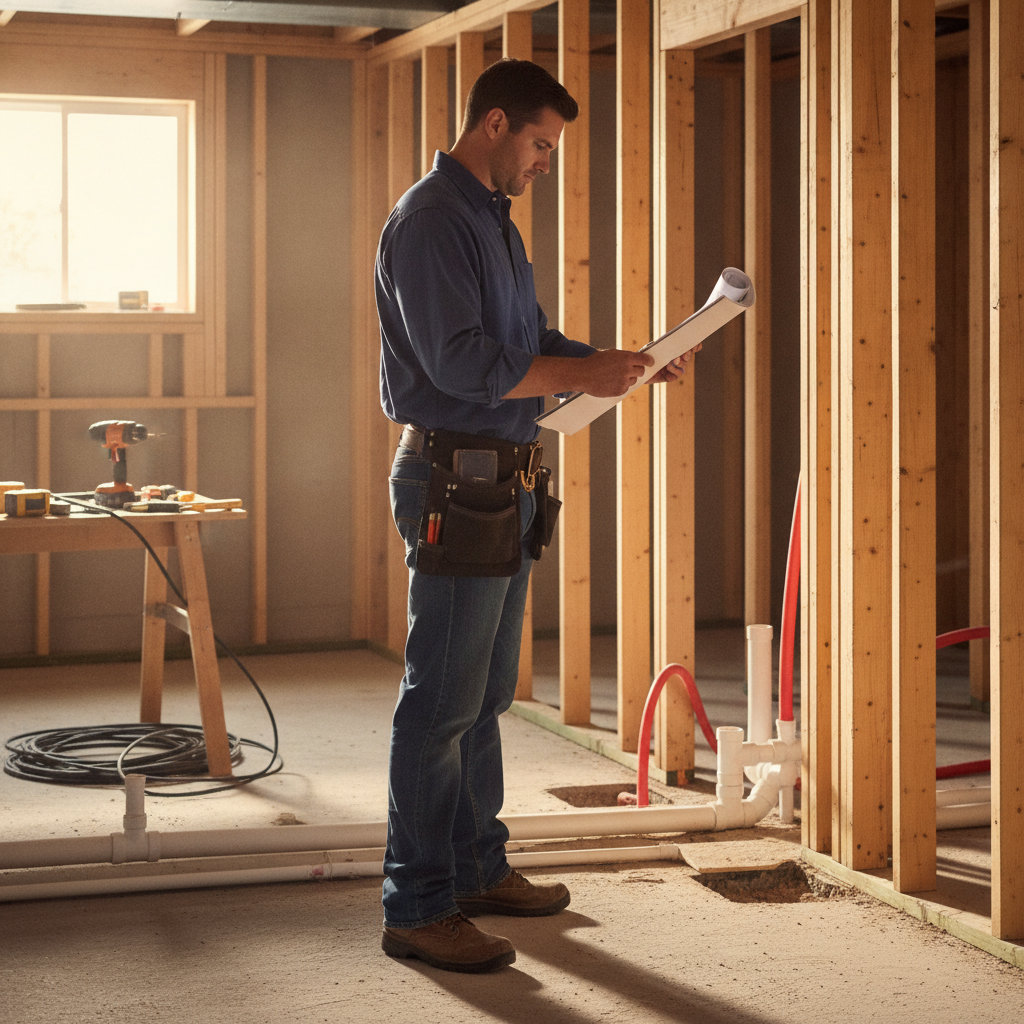
Thinking about your basement? Bring your address, scope, and timeline. We’ll price it, plan it, and coordinate trades into a clear construction path—start on our renovations page.
Common pitfalls and how to avoid them
Most basement issues trace back to moisture, missing inspections, or vague scopes. Fix them with moisture-first planning, a documented inspection sequence, and a room-by-room finish schedule. These three habits prevent the majority of rework.
- Skipping moisture tests: a few rain cycles before framing often reveal fixable drainage issues.
- Unclear responsibilities: decide who books inspections and cleans daily; ambiguity slows crews.
- Lighting last: plan lighting at framing to avoid shadows highlighting drywall seams.
- Underestimating sound: ceilings over bedrooms or offices deserve added mass and isolation.
- Forgetting access: future shutoffs and junctions need clean panels, not hidden lids.
Industry checklists often stress planning; this remodel overview summarizes drivers that also impact sequencing and selections.
Frequently Asked Questions
Homeowners often ask about permits, moisture, and how to vet basement renovation contractors. Clear answers—focused on scope, sequencing, and safety—help projects start strong and finish on schedule without surprises.
Do I always need permits for a basement renovation?
If you’re adding or moving walls, electrical, plumbing, or creating a bedroom or secondary suite, permits and inspections are typically required. Your municipality makes the final call. A qualified contractor will advise, prepare drawings, and coordinate the inspection sequence.
How do I know if my basement is too damp to finish?
Log conditions through a few heavy rains and look for efflorescence, musty smells, or sump activity. Simple grading and drainage fixes often help. Address moisture and vapor control before framing so finishes last and indoor air stays healthy.
What should be in a contractor’s scope for my basement?
Expect drawings, moisture strategy, framing, insulation and vapor control, rough-ins, inspections, drywall, flooring, trim, paint, fixtures, and cleanup. Clarify responsibilities for permits, material sourcing, daily site protection, and waste removal.
Can I finish the basement in phases?
Yes, but plan the end-state now. Rough-in for future rooms, run extra circuits and low-voltage, and cap plumbing where a bath or bar will go. Phasing works best with a complete layout and a list of future inspections.
Key takeaways and next steps
Basements succeed when contractors lead with moisture control, clear scopes, and tight inspection timing. Choose teams with aligned portfolio examples, documented processes, and finish standards you can see. Then lock drawings and a room-by-room schedule before framing begins.
- Start with moisture strategy, then layout and lighting.
- Lock rough-in drawings and book inspections early.
- Choose basement renovations contractors with real, relevant portfolios.
- Use checklists: finish schedule, inspection tracker, and punch list.
- Ready to begin? Explore our renovations hub and residential page.
Book a discovery conversation for Brampton and the broader GTA—bring your address, scope, and target timeline, and we’ll map the construction path together.